The Extended Martini Family
Last time, we began our discussion of the classic Martini by talking about gin, aromatic wines and the basic martini formula. That formula however, is a mere starting point for a dizzying array of martinis and martini variations.
The proportions of a martini are hotly debated- it started with a 2:1 ratio of gin and vermouth in the roaring twenties, and progressively becoming drier, from 4:1 in the 1940s upto 6:1 in the late twentieth century (the International Bartender’s Association specified ingredients). Drier versions are also possible, including the so-called Montgomery Martini which uses a 15:1 ratio, but they are undoubtedly the exception rather than the norm. Sometimes a splash of olive brine is added, which makes a Dirty Martini.
A martini which is shaken, instead of stirred, is often called a Bradford, and James Bond orders a version of this, usually with added vodka and swapping the vermouth for Kina Lillet, which makes his drink a Vesper martini. The shaken vs stirred controversy may appear trivial, but anyone who has seen both the shimmering translucent selenite-like quality of a stirred martini and the slightly foamy, cloudy shaken martini would disagree. Shaking a drink aerates it, and also incorporates minute shards of ice in it, both of which destroy the transparency of the alcohols.
The choice between shaking and stirring is usually governed by the nature of the ingredients- for drinks like the Martini and the Old Fashioned, with transparent ingredients, stirring is the optimal choice to preserve the visual appeal. If the final cocktail is not going to be crystal clear anyway due to the addition of opaque ingredients like fruit juices, shaking is usually a better choice, as it cools the drink quicker and also dilutes it.
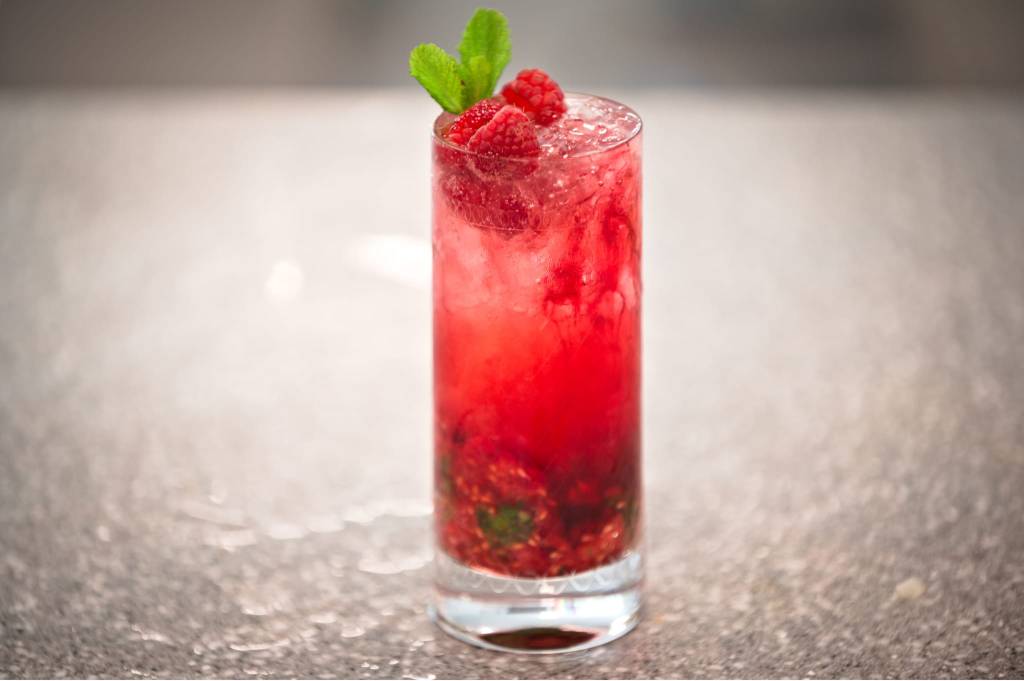
A martini is usually served neat, in a martini (or cocktail) glass, which is a V-shaped glass with a long stem. Since it is stirred (instead of shaken) and served neat, the glass (and indeed the spirit) is often put in the freezer, to ensure the drink is as cold as possible. Almost all cocktails which are served neat are served in various long-stemmed glasses- the stem avoiding the heat from one’s hands while holding the glass. Personally, I do not prefer a martini glass- it is often too small, ergonomically inefficient, and prone to spillage- the coupe serves the same purpose and is less prone to spillage.
Unlike a martini, an Old Fashioned is served ‘on the rocks’- over ice, preferable a single large ice block. This radically changes the preferred glassware- gone are the coupes and their thin stems, and instead comes a short, cylindrical glass capable of holding a block of ice. This short, cylindrical glass is so synonymous with old-fashioned that it is often called the old-fashioned glass, and different variations of it are the vessel of choice of serving any short, spiritous drinks served ‘on the rocks’.

Considering the martini as our base, we can easily see how a large number of drinks can be crafted by swapping ingredients and giving the resulting concoctions mysterious names. We have already spoken about the various martinis having different names, like the Montgomery Martini with a 15:1 ratio of gin to vermouth, the Bradford which is ‘shaken, not stirred”, and the Dirty martini which adds in a splash of olive brine. Swapping the various ingredients widens the remit of possibilities even further.
If one uses Old Tom gin (a style of slightly sweetened gin rather than the London Dry style) as the base spirit, and uses both Benedictine and orange bitters as the modifier, we get the Ford cocktail (6:3:1 ratio of gin to vermouth to Benedictine). When the gin is replaced by Genever, a juniper flavoured malty spirit which is probably the ancestor of modern gin, a mixture of both dry and sweet vermouth is used as modifiers, and triple sec (orange liqueur) and Angostura bitters are used as balancers, the resulting drink is superbly complex and rounded drink called the Martinez, often considered as the predecessor of modern martini.

Keeping the gin and vermouth as the base and modifier, but introducing Benedictine liqueur as the balancer results in a boozy, honeyed, and herbal concoction known as the Poet’s Dream (this is often made in a 3:3:2 ratio of gin, vermouth, and Benedictine, something which Embury, no doubt, would have thought of as stuff of nightmares rather than a pleasant dream). If you consider replacing the base gin of martini with a whiskey and replace the dry vermouth modifier with a sweet vermouth (5:1 ratio), with a dash of angostura acting as the modifier, you get another classic cocktail, the Manhattan.
As with martini, Manhattan can also have differing ratios, with many modern websites calling for a 2:1 ratio of whiskey and vermouth. Further playing around with the ingredients results in a perfect Manhattan if the vermouth is split equally between sweet and dry vermouth and a Rob Roy if one replaces the rye/bourbon with Scotch whiskey. Other drinks in a similar category include the Brooklyn, which used dry vermouth as the modifier and both maraschino liqueur and Angostura bitters (or Amer Picon, a bitter aperitif), and Revolver, which uses a bourbon (or rye) base, a coffee liqueur as a modifier, and orange bitters as balancer.

The fame of the martini has also resulted in a large number of eponymous cocktails, most of which share little in common with the martini apart from the name and the fact that they are served in a martini or cocktail glass. The most well-known of these is probably the Pornstar martini (one of the most ordered cocktails in the United Kingdom), which is actually a sour (something which we will discuss later). It is a mixture of vanilla vodka, passion fruit liqueur, passion fruit juice, and lime juice, served with a shot glass of prosecco.
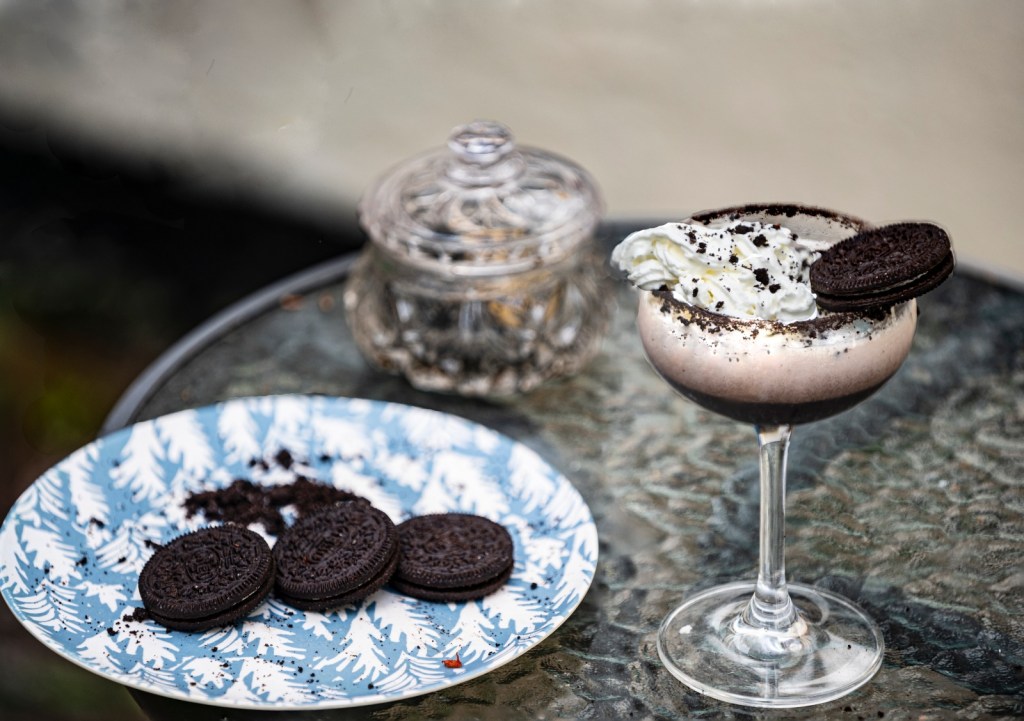
Other famous drinks with a martini in their names include the appletini (vodka, apple juice and/or apple schnapps, often with added lemon juice and sugar syrup), breakfast martini (gin, Cointreau, lemon juice and orange marmalade), and espresso martini (vodka, kahlua, sugar syrup and espresso). Many major cocktail bars create their own house recipes incorporating the martini name, which includes a wide variety of different infusions, special ingredients like syrups and various condiments, and often includes dessert-type drinks too, like this Oreotini, a sweet tooth’s delight.
A similar array of cocktail varieties also springs from the classic Old Fashioned template, which we will talk about in detail next time.

 The Gourmet Glutton