Fresh Fruit to the Fore
So far, we went through two classic cocktails- the martini and the old-fashioned, and used them as a base to discuss the broader category of cocktails of ‘aromatic types’. These can be described as cocktails where an aromatic wine, or a bitter, or less commonly, a liqueur, is used as the modifying agent, the ‘elusive je ne sais quoi’. In general, cocktails of this category tend to be very spiritous and because of their alcohol-forward nature, can appear sharp and aggressive to a novice drinker.
As we have discussed before, fruit juices (mainly citrus juices like lime, lemon, oranges etc.), make up the other primary category of modifiers. In fact, modifiers of the citrus type are probably more common than modifiers of the aromatic type- their inclusion often makes for a less spiritous cocktail, and the “smoothening” effect of the citrus juices often reduces the ‘alcohol bite’, usually resulting in an easier sipping drink than aromatic type cocktails. The inclusion of fruit juices also opens up large vistas for exploration, combining different fruit juices with various liqueurs, and allowing the showcasing of regional flavours and ingredients.
Almost all sour type cocktails are made by shaking the ingredients in a cocktail shaker, and are usually served in a coupe type cocktail glass. As explained in the previous articles, the addition of the opaque fruit juice renders the necessity of maintaining the clarity of the drink moot, thereby making shaking as opposed to stirring, which is a more effective and quicker way to chill the cocktail, the preferred option.

It is interesting to note that a very large number of cocktails use sour type modifiers. Citrus juices seem to blend well with all type of spirits, other fruit juices, liqueurs and even additional flavouring syrups. On the other hand, aromatic type modifiers are often slightly more specific in the way they mingle with the spirit- a dry vermouth often mixes better with clear spirits like gin/vodka, whereas a brown spirit like whiskey/rum often mixes better with a wet vermouth, and in general aromatic modifiers do not mix as well with plain fruit flavours or fruit-based liqueurs. However, one needs to keep in mind that these are mere guidelines and are not to be considered as gospel.
The most pivotal point about the use of fruit juices is that only freshly squeezed juices should be used, particularly for common juices like lime/lemon or orange. Often, we will see bars using pre-packaged juices like sour mix for making cocktails, such bars are good for getting drunk with friends, but are to be avoided like a plague-infested warehouse if the objective is to enjoy the aroma, flavour, and essence of a cocktail.
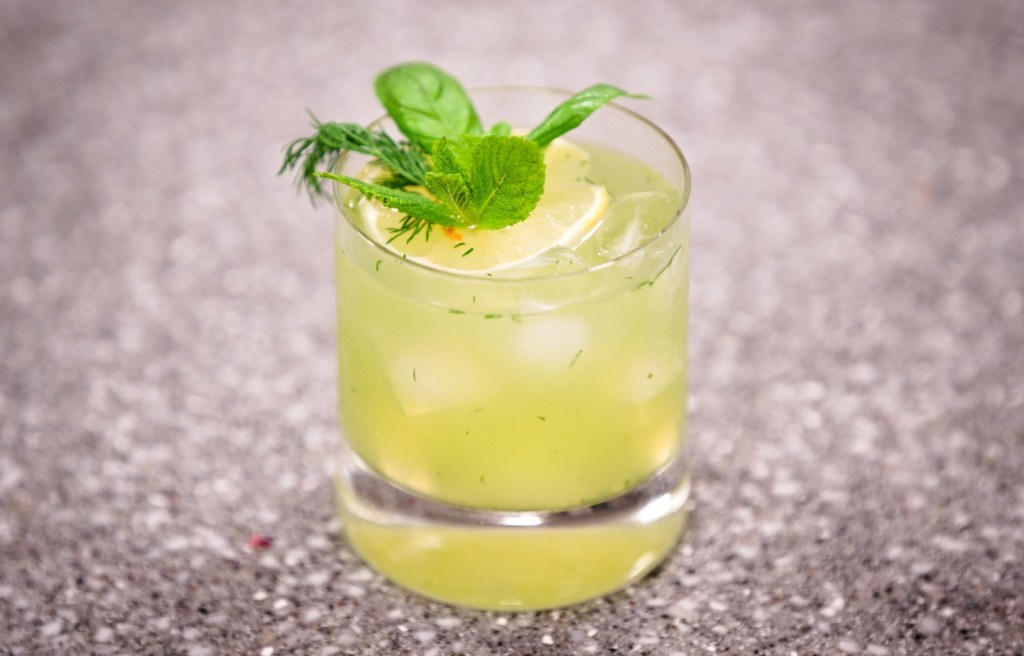
Occasionally, recipes call for other less commonly encountered juices like pineapple and apple- at a pinch, they can be substituted with a packaged juice (not one derived from concentrate). However, they are also infinitely better when made fresh, and an Indian home, where the mixer blender is a common utensil, must always aim for squeezing fresh juices. Use of fresh juices is probably the simplest and the most significant step one can take towards making good cocktails, and yet it’s amazing how many people overlook that.
With such simple drinks, the proportions are often important, and classic sour type cocktails (distilled spirit+ citrus juice+ sweetening agent) are often the most formulaic of all drinks. Most often, modern websites talk about a 2-1-1 formula- 2 parts of base spirit, one part of sour element (the modifier), and one part of a sweetener (the balancer).
Although this ratio is fairly common and appeals to a large number of people, I personally am not too enamoured by this ratio- I find this too sweet and aiming at suppressing the base spirit, as if one is engaged in something clandestine and has something to hide rather than showcasing its flavour. It may have been the perfect ratio in the days of bathtub gin and the substandard swill of the prohibition days, but I feel that the modern mixologist has better options.
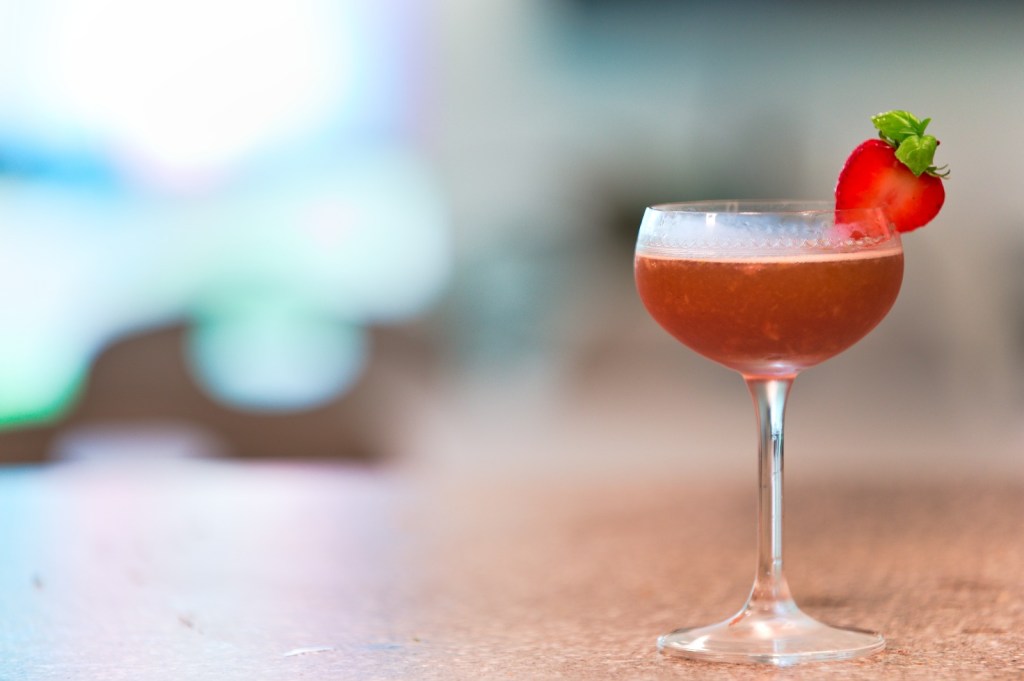
On the other extreme of the 2-1-1 formula lies the formula preferred by David Embury, who preferred a 8-2-1 ratio; however, he also specified to follow one’s own taste over any specific formula. This formula emphasizes the base spirit and makes for a markedly less sweet cocktail- any reader will be familiar by now with Embury’s bone-dry palate.
Other ratios which has been used include the 8-3-4 ratio, a formula from the 1850’s (and the only one with more sweetener than the sour modifier, and the 8-4-2, which was first specified in The Gentleman’s Companion in 1939, and is preferred by Simon Difford, one of the most famous modern bartenders and the writer and compiler of the most comprehensive cocktail guide of the present day.
From our preceding discussion of the various formulas, it’s clear that there the number of available ratios to the budding mixologist, a choice that needs to be made primarily on the basis of the palate and the taste of the drinkers. I personally prefer a 8-3-2 ratio (60 ml of base spirit, 22.5 ml of sour juice, and 15 ml of simple syrup), but the 8-4-2 makes for a good option too. However, this ratio is strictly followed mostly with limes/lemons, the sourest and most strong tasting of fruits, and addition of other fruit juices often increases the amount of fruit juice, as evidenced by the use of 45 ml of pineapple juice in the East India cocktail.

Once a mixologist has settled on a preferred ratio, they can easily make a good number of classic sours. Once we have decided on the proportions, we can alter the various sour modifiers and sweetening agents to produce a dizzying array of cocktails- Gimlet (gin, lime juice and sugar syrup), Bee’s knees (gin, lemon juice, and honey syrup), Gold rush (same as bee’s knees, with whisky replacing gin), Jack Rose (apple brandy, lemon juice, and grenadine), White Lady (gin, lemon juice, orange liqueur, with added egg white for texture), Aviation (gin, lemon juice, maraschino liqueur, and crème de violette) and so on. In all these drinks, one can easily identify the constituent ingredients of a cocktail: the base spirit, the modifier, and the balancer.
Before diving further in the rabbit hole of sours, identifying and dissecting more such cocktails in an attempt to try to understand some of the working principles underlining the development of some modern drinks, we need to take a step back and examine three of the simplest classics in the sours repertoire: Daiquiri, Margherita, and Sidecar. More on that next time.


 The Gourmet Glutton
Well written blog that makes you High!!
LikeLike