Brandy Blends
In the previous article, we talked about fruit juices as modifiers, talking in detail about the basic ratios of base spirit, modifiers and balancers used in sour-type cocktails. Two of the most well-known examples of classic cocktails of this type include the sidecar and the daiquiri, both stalwarts of the cocktail collection, and two of Embury’s six basic drinks. We’ve examined three drinks from this list already: the Old Fashioned, the Manhattan, and the Martini. The sixth in the list, perhaps the least well-known in today’s era, is the Jack Rose.
Jack Rose is a simple sour, widely popular in the 1920s and 1930s, with applejack as the base spirit, lemon juice as the modifier, and grenadine (pomegranate syrup) as the sweetening agent and the balancer. Applejack, in its present incarnation, is a fruit brandy similar to Calvados, a popular apple brandy from the Normandy region of France. It originated in the late seventeenth century in New Jersey in the USA, first produced by William Laird, whose descendants founded Laird & Company, which continues to dominate applejack production to this day. It originally had a rather unique production method; instead of being distilled, applejack was produced by freezing hard cider and removing the ice, a process which was known as jacking. This method of freeze distillation raised the alcohol content to 15-40%, and was easy to produce in the cold New Jersey climate. However, as this method also led to the end-product containing certain harmful and undesirable contents like small amounts of methanol, esters, and aldehydes, it was later replaced by evaporative distillation.
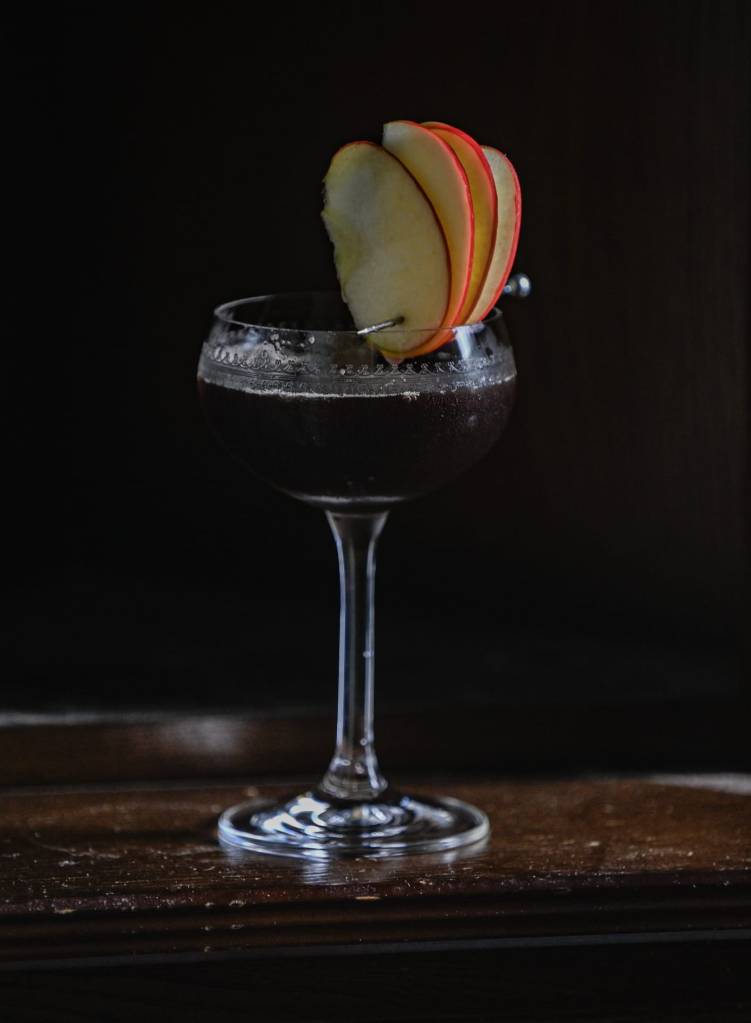
Although considered an example of a fruit brandy, many modern day applejacks are a poor imitation of an apple brandy, often containing neutral grain spirits as the dominant component. A brandy is any distilled spirit produced by distilling wine, often aged in wooden casks. Although brandy usually refers to a spirit produced from grapes, other fruit brandies are also known. Non-grape brandies include pálinka (both aged or unaged Hungarian spirit which can be made from multiple fruits), boukha (unaged fig brandy, traditionally made by Tunisian Jews), kirschwasser (usually unaged brandy [but can be aged in ash barrels] from Morello cherries, traditionally from the black forest area of Germany) and slivovitz (a plum-based spirit from the Balkans, which Embury eviscerates as sharp, harsh, and unpleasant, calling it at the “very bottom of the palatability scale”), as well as the applejack and calvados, which we have encountered already.

As with applejack, the production of other brandies often has a regional character, with significant variations in production methods, leading to various well known distinct brandies including Armagnac (from the Armagnac region of France), Brandy de Jerez (from Jerez in Andalusia), grappa (unaged pomace brandy from Italy), and pisco (from Peru and Chile). Unlike Cognac, which is double distilled in pot stills, Armagnac is single distilled in column stills, whereas Brandy de jerez can be distilled in both column and pot stills, and is characterised by use of American oaks and a solera aging system. A solera ageing system involves fractional blending, where barrels are filled with the spirit at equal intervals, and after a predetermined time, the oldest group of barrels are partially emptied and refilled with the second oldest barrels. This continues in succession until the youngest barrel is refilled with new spirit, and in theory, a barrel can contain tiny fractions of very old spirits, creating an infinity barrel system. Pisco, on the other hand, is not aged in the conventional sense, but is instead ‘rested’ in a nonreactive glass, steel or ceramic vessels.

The most well-known of all brandies, Cognac, is named after the Cognac commune of France. Cognac can be only made from specified varieties of grapes, and is double-distilled in copper pot stills and must be aged for two years in French oak barrels (but is often aged substantially longer). Cognacs can be further classified by crus: geographical regions within the commune which have characteristic soil and microclimate; and grades, which are official grades of quality based on the age. Unlike Scotch whiskey, almost all cognac are blends, with the quality grade of a cognac dependent on the youngest spirit in the blend. The official cognac quality grades include V.S (Very Special, aged at least two years), V.S.O.P (Very Superior Old Pale, aged at least four years), Napoléon (aged at least six years), XO (Extra Old, ages at least ten years) and XXO (Extra Extra Old, aged at least fourteen years). An unofficial designation called Hors d’âge also exists, which in theory is equivalent to XO, but is usually used to refer to cognac older than XO and beyond the official age scale.

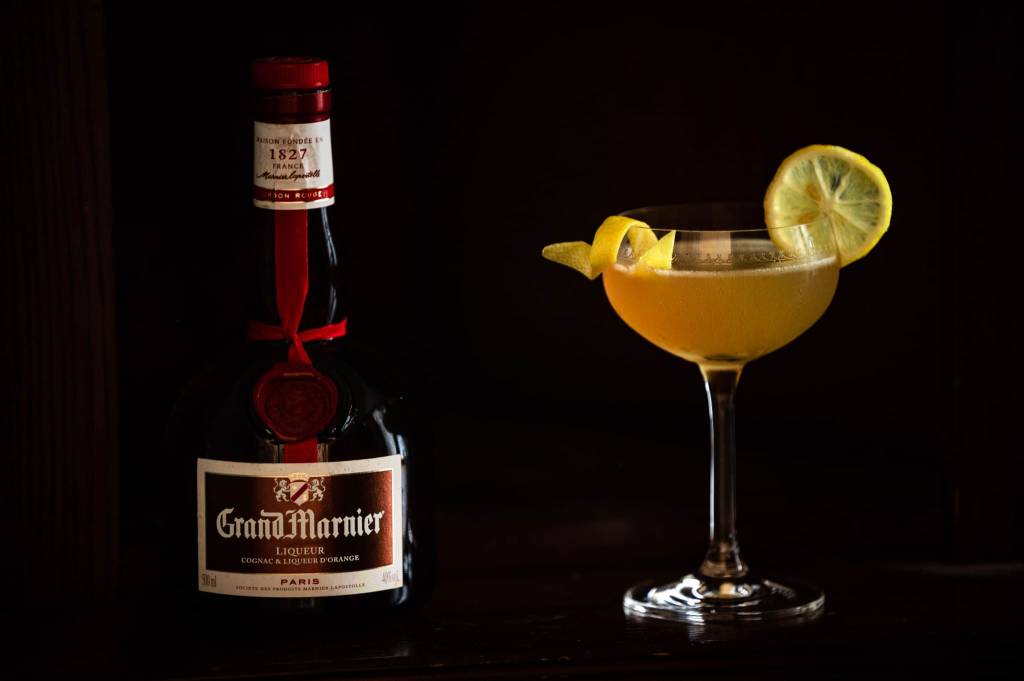
Cognac was originally one of the most popular cocktail base spirits. However, the import restrictions of the late 19th and early 20th centuries resulted in a decrease in its availability and as a result, its popularity. However, it remains an integral part of a number of classic cocktails, perhaps none as well known as the Sidecar. The Sidecar, one of Embury’s six basic cocktails, is a modified cognac sour, with cognac as the base spirit, lemon juice as the modifier, and triple sec, an orange liqueur, replacing the sugar syrup as the balancer. A Grand Sidecar replaces the triple sec with Grand Marnier, another orange liqueur. As a result , the drink is drier than a sour with sugar syrup as the balancer. The drink has unclear origins, but was probably invented in either London or Paris in the early twentieth century and named after the then popular motorcycle attachment. The Ritz Hotel in Paris claims the origin of the drink–although this claim is dubious, they do make one of the most famous sidecars, the Ritz Sidecar. Made with pre-phylloxera cognac (cognacs made from grapes before an infestation of phylloxera which decimated vineyards in late nineteenth century and changed grape varieties forever), the Ritz sidecar costs more than €1500 per glass.
The final drink in Embury’s list of basic drinks, is, to me, the embodiment of sour cocktails. With rum as the base liquor, lime juice as the modifier, and sugar syrup as the balancer, Daiquiri is a case study of minimalist relaxing elegance. More on that next time.

 The Gourmet Glutton