A well-established culinary stereotype is of the angry Italian pissed beyond belief at the insensitive American massacring their sacred cuisine. “Mamma mia! No gar-a-lic in-a carbonaaaara!” they would-a say with-a burning enthusiasm. Italia Squisita and Vincenzo’s plate in particular are two channels which feature angry Italians furiously gorging on sacrilegious YouTube content, and verbally bashing the uncouth savages showing immense disrespect to their cuisine.
If you can’t relate to the Italian’s plight, I recommend a video by Epicurious. In their popular “4 Levels of” format, three cooks of different levels of competency try their hand at a classic, after which are then analysed by Level 4, a “Food Scientist”. One of those versions, Level 3 infact, used freekeh, a whole grain made from young wheat, popular in the Middle East, instead of basmati. The end-product looked nothing like a biryani.

And as you’d expect, the comment feed was flooded with angry Indians. One comment read: “Now I know how Italians feel when every other person makes the pasta and call it authentic Italian”. Granted, this example takes things a bit too far, but from garlicky carbonara to freak (um, I mean freekeh) biryanis, there is one thing in common: straying away from authenticity.
Which begs the question: what even is authentic? What holy book mentions explicitly that nothing but basmati rice can be used to make a biryani, or that amatriciana is not amatriciana if not made with this specific kind of pasta called bucatini? In today’s world of globalisation in particular, the boundaries are slowly melting away, and the entire jab at authenticity seems to be one in vain.
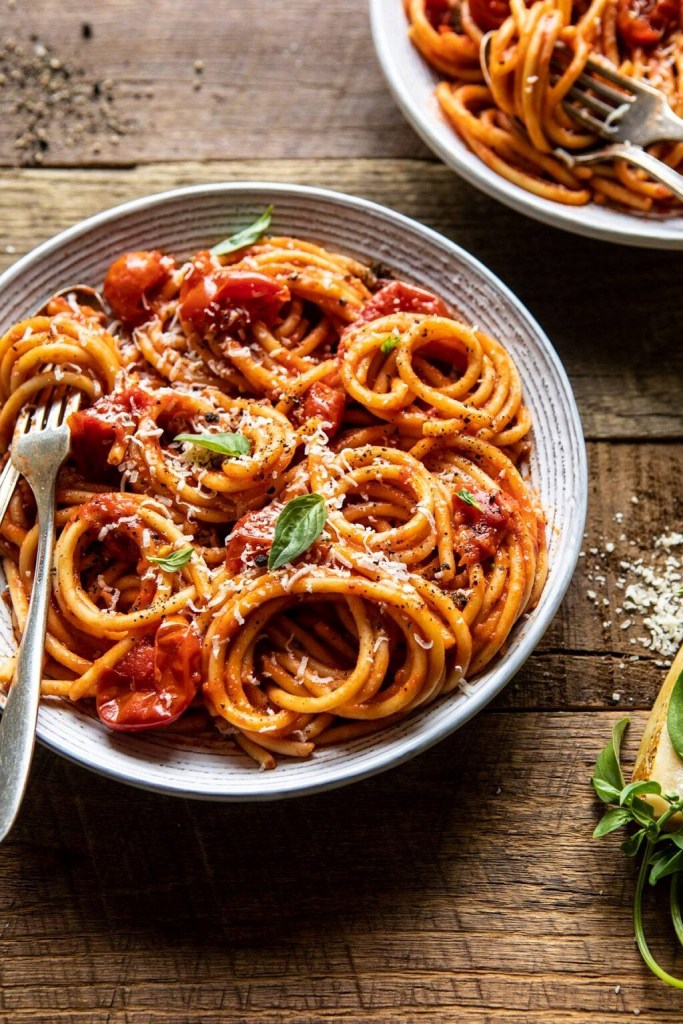
People, on the other hand, would have been a lot less enraged if the same dish had been described as “Indian spiced freekeh” instead of a biryani. It is the label which throws people off. Without it, we are looking at a wonderful fusion dish, merging a humble Middle Eastern ingredient with the flavours of India to create a truly unique concoction. Very different now, don’t you think?
But even then, there would be a bunch who would turn away in disgust and say “but it’s not authentic, it’s a fusion dish.” Fair point. But in that case, where do we draw the line between authenticity and innovation? Why is Tangra chilli fish acceptable, but butter chicken khichdi a blasphemy? What are the rules at play here?
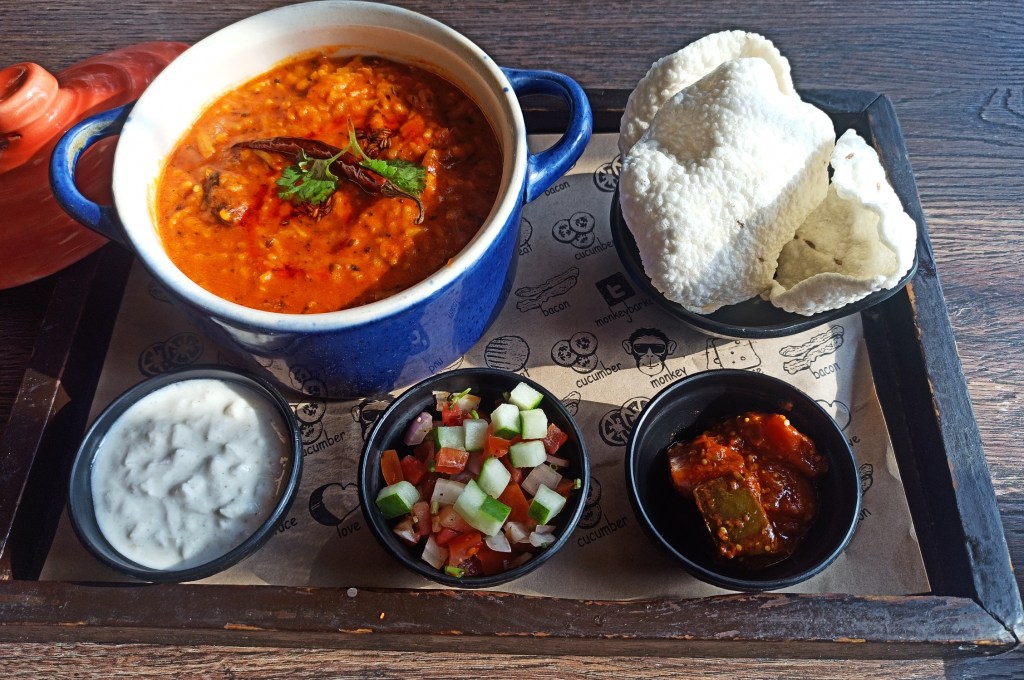
Take the Kolkata biryani for example, which we consider borderline sacred, “authentic”, you could say. But meat was hardly consumed to the extent it is today until the Muslims invaded India, and our favourite potato didn’t reach Indian shores till the Portuguese reached India. How “authentic” is a Kolkata biryani then?
The truth is, most modern-day classics start off as fusion food at some point. Ever since the Age of Exploration, cultural intermingling has radically changed the culinary palates of cultures, from chicken tikka masala to chicken parmigiana. And in the past half a century or so, this cultural interchange has gone into hyperdrive thanks to globalisation.

You will find two distinctly different sorts of people who co-habitate this anti-fusion camp. The first of these is the know-it-all pseudo-intellectual who vouches for authenticity without really fathoming the true meaning of the term. One particular Buzzfeed video makes for a particularly interesting watch in this context. In the video, you find Chinese people of different age groups trying out and reacting to food from Panda Express, the Chinese food chain popular in the USA.
What is particularly interesting about the video is how skeptical the younger generation is about the dishes. While the grandpas and the aunties didn’t like all of the dishes, they did like most of them. With the egg roll for example, one grandpa commented that these aren’t actually made in China, but he enjoyed it nonetheless. The entitled teenagers on the other hand, in an attempt to sound smart, started making unsubstantiated, weird comments.
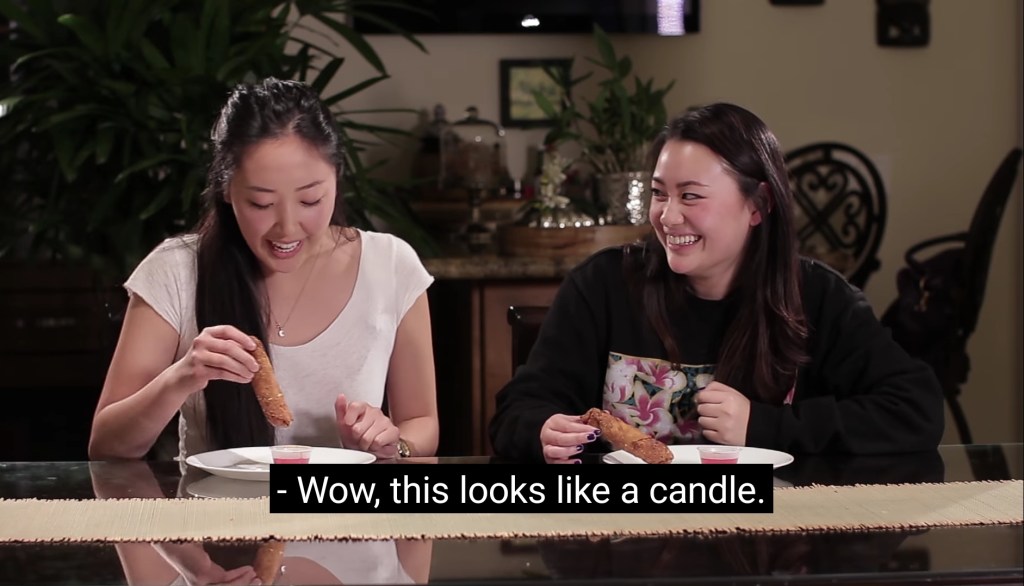
Even more surprisingly, the seniors absolutely loved the orange chicken, saying that they enjoyed the sweet and sour flavour profile. Orange chicken is as Chinese as gnocchi, but when eating food, these people aren’t gauging the authenticity as much as the flavour, because that is what matters at the end of the day. If it tastes good, it doesn’t matter whether or not it is authentic.
The problem begins when fusion dishes are presented as classics. As someone who is very open to fusion food, I still believe that when you call a dish something, there are certain boxes you need to tick. The boxes change over time: there was no potato box in a biryani when the Muslims first came to India, but there is one now. Pesto Genovese needs the pine nuts, and a Chettinad spice mix wouldn’t be the same without the stone flower or kalpasi. You could make a pretty decent dish without them, just don’t call them “authentic”.
Which brings me to the second camp of people, the ones who have a strong attachment to their culture and want to preserve its integrity in the age of globalisation and cultural intermingling. And this is where the Italians re-enter the narrative. As a culture, the Italians are very family-centered, with entire families sitting at a table, eating food, drinking wine, and arguing about current state of events. It is a very traditional Nonna-based cuisine, not unlike our own.
And cultural purists feel threatened in the face of modernity. Not because they are snobbish, but because they have immense emotional attachment to this sort of food. And even if you keep emotions aside, with the minimal ingredients in a certain dish, adding or removing one will throw the balance drastically. The delicate flavours of carbonara really can’t stand the aggression of garlic.
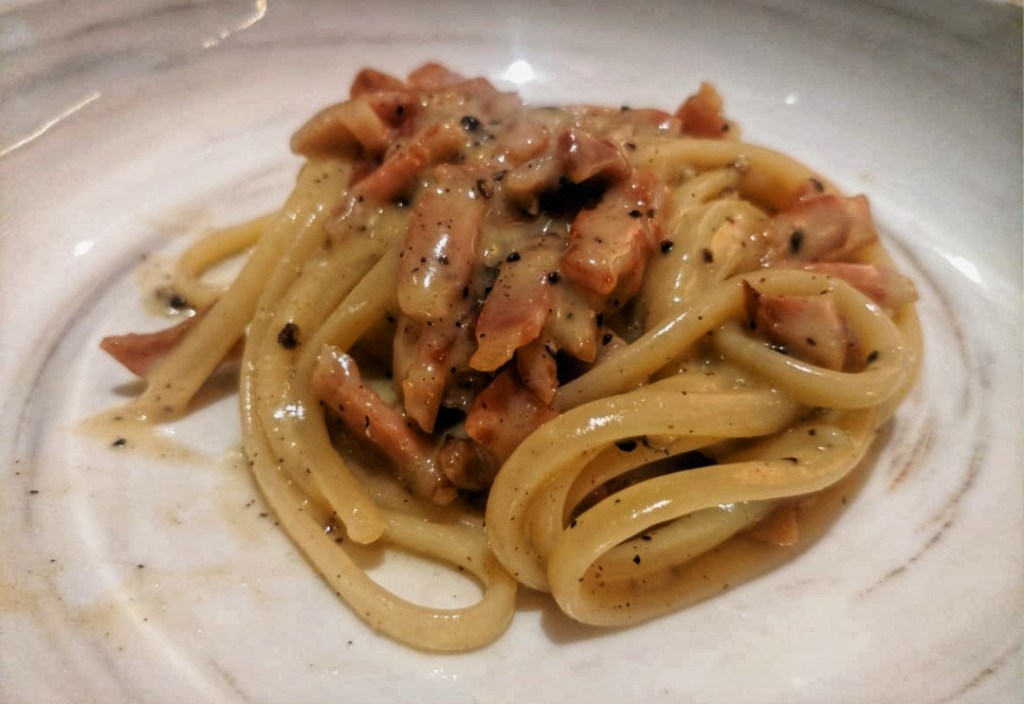
But emotion is a big part of the gastronomic experience. Italians don’t mind the chicken parm and the penne alla vodka, they are bothered only when these dishes are branded as Italian, because they aren’t. While innovation is necessary, staying true to your roots is equally important.
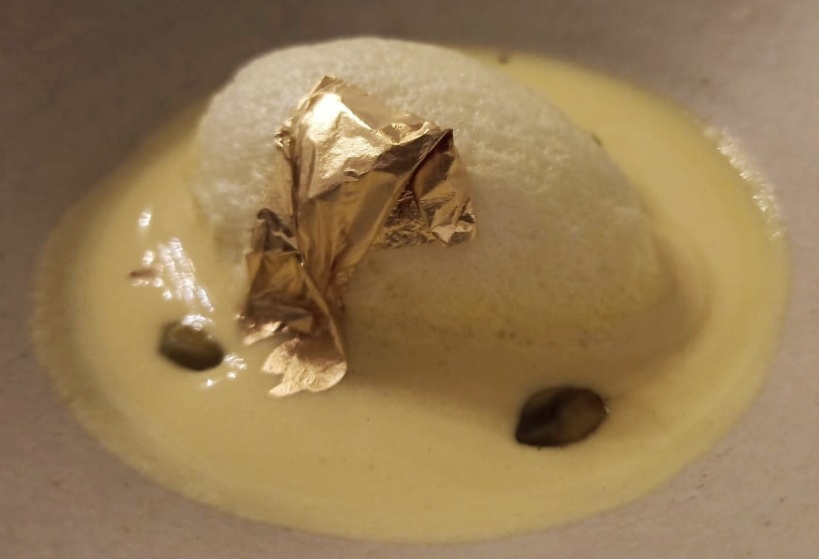
Even when the fancy Italian chef pimps up a classic aglio olio or an avant garde Indian chef tries to upgrade the rasmalai, they make sure that the flavours still ring true, that despite the foams and gels and what-not, the flavours remind you of grandma’s cooking when you take a mouthful, close your eyes, and savour. In my opinion, if you play around with the components of a dish without tampering with its essence, you’re doing it right.
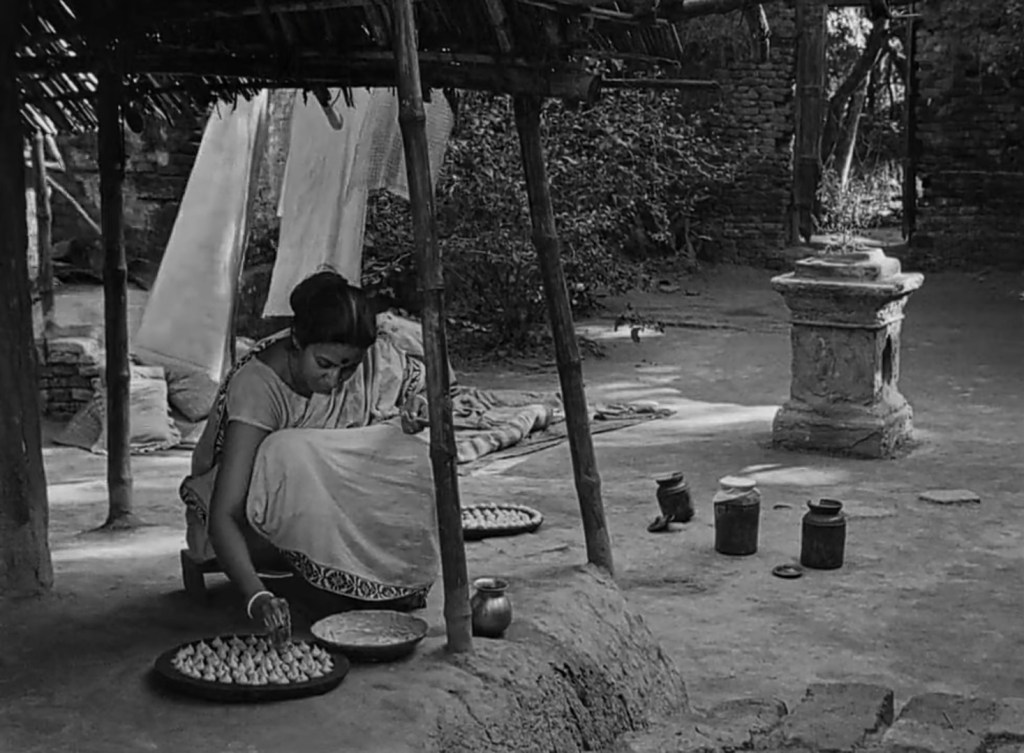
So, even though Italians didn’t have the tomato before the 15th century, the tomato passata is a big part of their culture, their identity. It reminds them of their childhood, of the times they picked ripe tomatoes with their parents and grandparents and made passata. Very similar to our memories of didas and thakurmas making daal er bori and narkel naru, don’t you think?
Authenticity is much looser of a term than you think it is. It is coloured by childhood memories and personal experience, especially in food cultures which aren’t strictly codified, like our own. So holding onto these classics is essentially keeping the legacy of the didas and the nonnas alive.
But does that mean that we shouldn’t be open to change? Absolutely not. Change is the only constant, and in today’s world, turning a blind eye to it is impractical. We need to stay true to our roots, and spread our branches to explore the wider world out there. That is the perfect balance of tradition and innovation, past and future, old and new, which we should all strive for.

 The Gourmet Glutton
I think there’s a case to be made about the natural evolution of food versus the creation of an unnatural monstrocity. Often what you mentioned as “changes” from the original recipe of things are mostly adaptations of food for a palate, or an enhancement to the dish as thought of by a particular chef. However, none of that applied to a plate of biryani cooked in freekah grain. This isn’t a dish catered to feed a group of freekah eaters, and neither is this enhancement of the dish in terms of flavour. Plus, this is an attack on the primary ingredient of the dish, the core of its flavour. I remember a conversation between an Italian chef and a british woman go- “Oh! if you cut up some bits of ham in this, it can make a british carbonara!”- “If my grandmother had wheels she would be a bicycle, what’s your point?”- and that’s what the freekah biryani made me feel. What this provides for is that for a person who has never had a biryani in their life, and eats this as their first exposure to this dish (she is a head chef for a renowned kitchen, she says, so this surely can’t be uncommon)- their experience is forever tainted because of dish that doesn’t even remotely resemble it’s name.
LikeLike