Last time, we commenced our series by exploring the 7 Liaisons of Chocolate with a bit of historical background, and the chilli-chocolate combination. This week, let’s move on to combination number two.
“Like a puppeteer’s black velvet curtain, dark chocolate is the perfect smooth background for cardamom to show off its colors. Use the cardamom in sufficient quantities and you can pick out its enigmatic citrus, eucalyptus and warm, woody-floral qualities. I find adding a pinch of ground cardamom can make even the most ordinary dark chocolate taste expensive.”
When I read this passage in Niki Segnit’s iconic book The Flavour Thesaurus, I felt validated. I mean, elaichi, which is intrinsically sweet, is THE spice for Indian desserts, from the syrup of gulab jamuns and jalebis to North Indian kheer, East Indian payesh and South Indian payasam. Although the chocolate I had tasted was milk chocolate, the cardamom flavoured one hit different. I immediately got to experimenting, flavouring a batch of dark chocolate thins with freshly ground elaichi, and bam! I was hit by a criminally underrated flavour combo, along with the realisation that we Indians really don’t explore indigenous ingredients to their limit.

Hazelnuts and raspberries might be expensive and hard to come by in India, but there’s always elaichi in the Indian pantry. Why don’t we add it to our truffles and tarts, like we do with payesh or kheer? The chocolate and cardamom combo is nowhere as popular as the chilli and cinnamon flavoured chocolates of the Mexicans, as it evident from companies like Lindt, who make chilli chocolate and even the local Choko La, with their cinnamon hot chocolate. I don’t know why this combo is so underrated, maybe I have a bit of a bias for it, but I’ll let you be the judge of that.
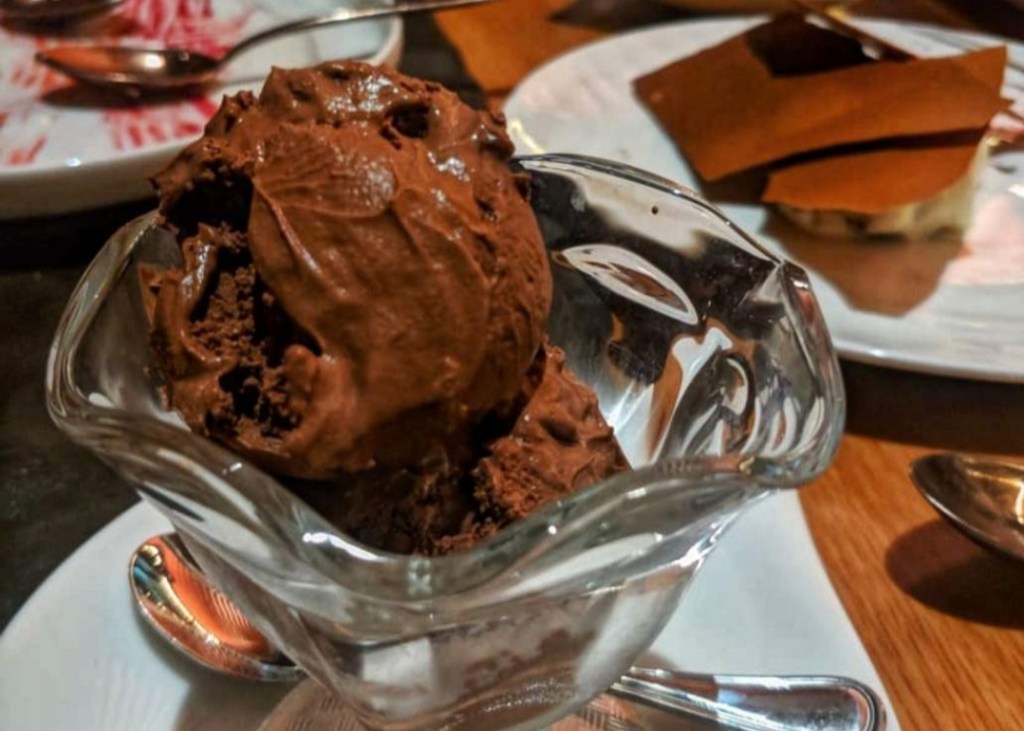
Elaichi hot chocolate is delightful, but it works even better at the other end of the temperature spectrum. We’ve talked about the chocolate sorbet before, a chocolate lovers delight that forms an ice-cream like texture with just chocolate and water agitated in a machine called a pacojet (a whisk works too, although it takes time), no dairy in sight. My chef friend once whipped up a batch of cardamom dark chocolate that was delicious, highlighting the piney, woody notes of cardamom against the creamy chocolate curtain. Chilli, cinnamon, and even coffee would work brilliantly in this format too.
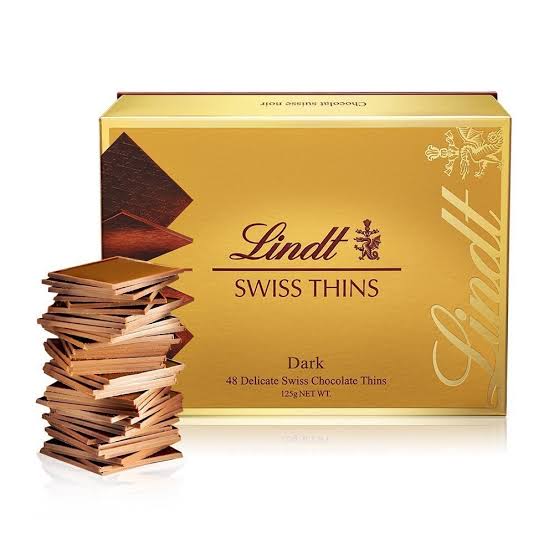
Which brings me to the chocolate thins. These are essentially the more sophisticated version of chocolate bars: wafer-thin pieces of chocolate that melt on your tongue. Dispersed flavours, like ground chilli and cardamom work very well in this format, as do some other pairings like mint and coffee, which we’ll visit later. Sorbets and thins are great delivery systems for more homogenous flavour pairs, with no focus on texture, like the complexities of a meandering alaap at the start of a classical concert, before the tabla enters the equation.
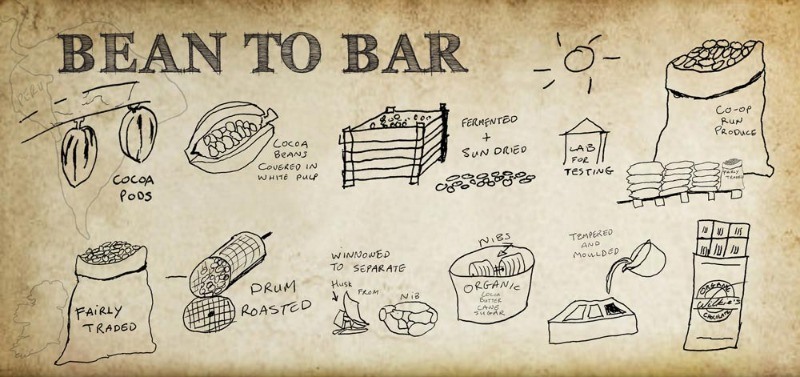
What sets these thins apart from the chunks of chocolate added to the moles and hot chocolate, is the texture: they are smooth, and have a characteristic snap. And that comes from some additional steps that need to be undertaken when making any sort of chocolate bar. Converting cocoa beans to chocolate bars is a labour of love, and takes a lot of time and effort. It’s time to discuss the the miraculous process often referred to as “Bean to Bar”.
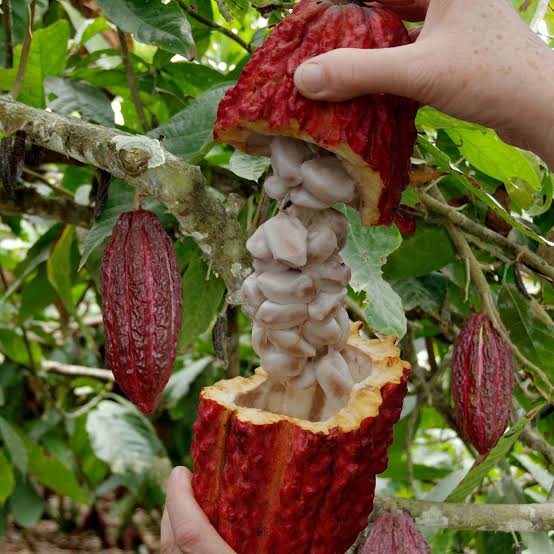
Chocolate is made from the beans of the cocoa pod, which grows in the tropics and might look like an oddly shaped papaya to the uninitiated. Cut it open, and you reveal a core of large, white beans cohered with a mucilaginous material. Get adventurous and give it a taste, and you’ll be put off by the overpowering bitterness. These beans have a long way to go before it transforms into the beloved Toblerone or Snickers bar that you and I love.
The pulpy, beany mass is taken out and allowed to ferment in large quantities, during which time bacteria work their magic, creating flavour molecules that give chocolate their distinctive aroma. The beans are turned twice or thrice during the 5-8 day fermentation period. The pulp around the seeds, called baba in Latin America, converts to alcohol, which then morphs into a multitude of flavour compounds. Once they change colour from creamy to purplish, they are laid out in a thin layer and allowed to dry in the sun.
The dried beans are then roasted, just like coffee beans. Unlike coffee though, where roasting is one of the final steps, cocoa still has a long way to go. The roasted beans are cracked and the husk winnowed to reveal the cocoa nib, the part of the bean that actually transforms into chocolate. The nibs are ground into cocoa mass, often called cocoa liquor, which is then pressurized to separate into its two primary components: cocoa solids and cocoa butter. (remember Houten from last time?) Cocoa solids is used to make cocoa powder, while cocoa butter can be sold as is or used to make multiple cosmetic products.
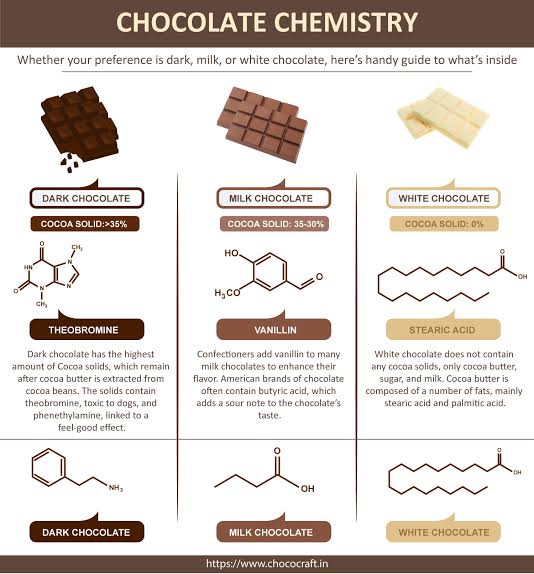
Solids, butter and sweetener are mixed in the right proportions to make dark chocolates of varying cocoa content. Add on some milk solids, and you’ve got milk chocolate. White chocolate is a mixture of cocoa butter, sugar and milk solids but no cocoa solids, which is why some purists insist that white chocolate isn’t technically chocolate (doesn’t make it any less delicious though).
A short aside on chocolate chemistry. Dark chocolate contains caffeine and more importantly, large amounts of theobromine, named obviously for its scientific name. It is a compound toxic to dogs, which is why chocolate is one of the things which you should never feed your furry friend. On the bright side, dark chocolate is full of phenylethylamine, a precursor for dopamine, as well as tryptophan, which goes on to generate serotonin. Thanks to countless GenZ memes (or unforgiving biochemistry textbooks), we know how important dopamine and serotonin are for our mental well-being, which explains chocolate’s role in elevating mood.
JK Rowling, in her Harry Potter series, depicted chocolate as a way to recover from Dementor attacks, a clear allusion of the role of chocolate to generate “good” chemicals in the brain and it’s importance in the setting of depression. Of course, chocolate isn’t just medicine, and there are several other compounds that contribute to flavour. Methylated aldehydes, most notably 3-methylbutanal, added a malty note. Pyrazines add nutty and earthy notes, while other elements like vanillin are added in during the manufacturing process to impart notes of vanilla. White chocolate has no cocoa solids, and most of its flavours comes from vanillin and the fatty acids in cocoa butter like stearic and palmitic acids. Anyways, coming back now to the Bean to Bar process.
The mixture is ground and mixed for a long time in a machine called a conche, invented in 1878 by the Swiss Rudolphe Lindt (yes, THAT Lindt). During the conching technique, the cocoa solids get broken down into smaller and smaller fragments, producing a chocolate bar with a smoother, less gritty, mouthfeel.
After the desired smoothness is achieved, the now melted chocolate is mixed with milk solids, sugar and flavourings. A final process, tempering, which involves heating and cooling the chocolate to very precise temperatures, ensures that the crystals of cocoa butter align in the correct way, a crucial determinant of texture. It is tempering that lends expensive chocolate bars that satisfying snap. The tempered chocolate is then mixed in with additives like nuts and dried fruit before being poured into moulds and allowed to set.
The Bean to Bar process is a great way to understand our third flavour pair. More on that next time.


 The Gourmet Glutton
Although I am not a big fan of chocolate, but this information is really interesting!
LikeLike