The Potato Chronicles: Part 5
Last time, we explored the applications of mash in the context of Indian street food. This time, we will take a more of a global approach, exploring instances where the mash is incorporated into a larger dish. Stuffing a dough with a potato and cheese filling followed by poaching it in water and crisping it up in fat produces the pierogi, a Polish classic, traditionally served with sourcream and sometimes bacon.
Helen Rennie describes the Causa as “Peru’s best-kept secret”, and is at its heart, a cold salad featuring mashed potato as one of its components. The characteristic ingredient is aji Amarillo, a chilli sauce that gives the dish its distinctive flavour, like the mustard oil in an aloo sedhho or the olive oil in a skordalia. The mash is usually served as a moulded, layered salad with fish or meat.

But the ultimate example of mashed potato decadence, in my opinion, is exemplified in the array of British pies, like fish pie, shepherd’s pie and cottage pie, the last two made with lamb and beef respectively. All of these winter comfort food dishes sub out pastry for a topping of smooth, cheesy mash which crisps up slightly in the oven and provides a light, fluffy contrast to the rich, savoury filling underneath, producing a filling, heart-warming dish.

Instead of incorporating the mash in a dish, you could go ahead with a double (or triple) cooking technique. Kartoffelklöße or Kartoffelknödel is a German poached dumpling, the potato analogue of the flour-based dumplings of the American south. A nutmeg-flavoured mash is mixed with egg and flour, rolled into balls, poached till done and served with brown butter breadcrumbs. If you take out the spices from the equation and form little pillowy nuggets instead, you have the beginnings of an Italian classic.

The word gnocchi is believed to have originated from “nocca”, Italian for knuckle. While other variants exist, like the Tuscan gnudi made with ricotta, the potato version is more popular worldwide. Crisp on the outside and fluffy on the inside, it works best with a brown butter and sage sauce, although you could also serve it with other sauces as well like a rich Ligurian pesto, laden with basil and parmesan, a punchy tomato sauce accented with a bit of garlic and basil, or a voluptuous cheesy sauce, perhaps perfumed with a luxuious bit of truffle.
:max_bytes(150000):strip_icc()/336461-gnocchi-with-tomato-sauce-hero-04-1fe29843b76a4f0ab2ebc226de2723a0.jpg)
The ingredients of French pommes dauphine are pretty similar to gnocchi: potato, flour, egg; but the crucial addition of butter and a difference in cooking technique creates a drastically different end-result. It starts off by making a choux pastry into which the riced potato is added. It is mixed until smooth and dolloped in oil until golden and puffy. Perfect on their own or as a side with roasted meats, these are truly bite-sized wonders.
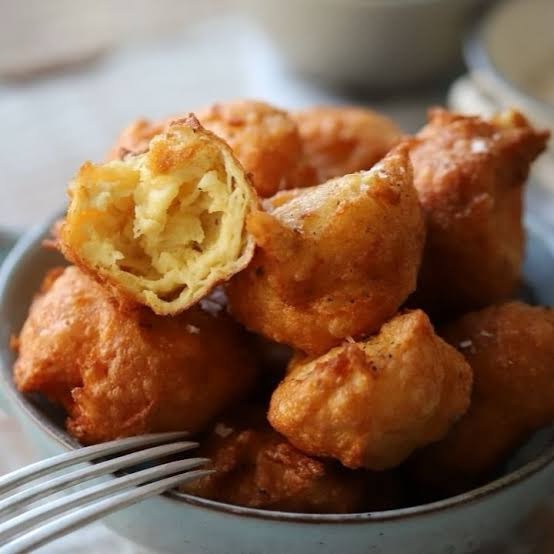
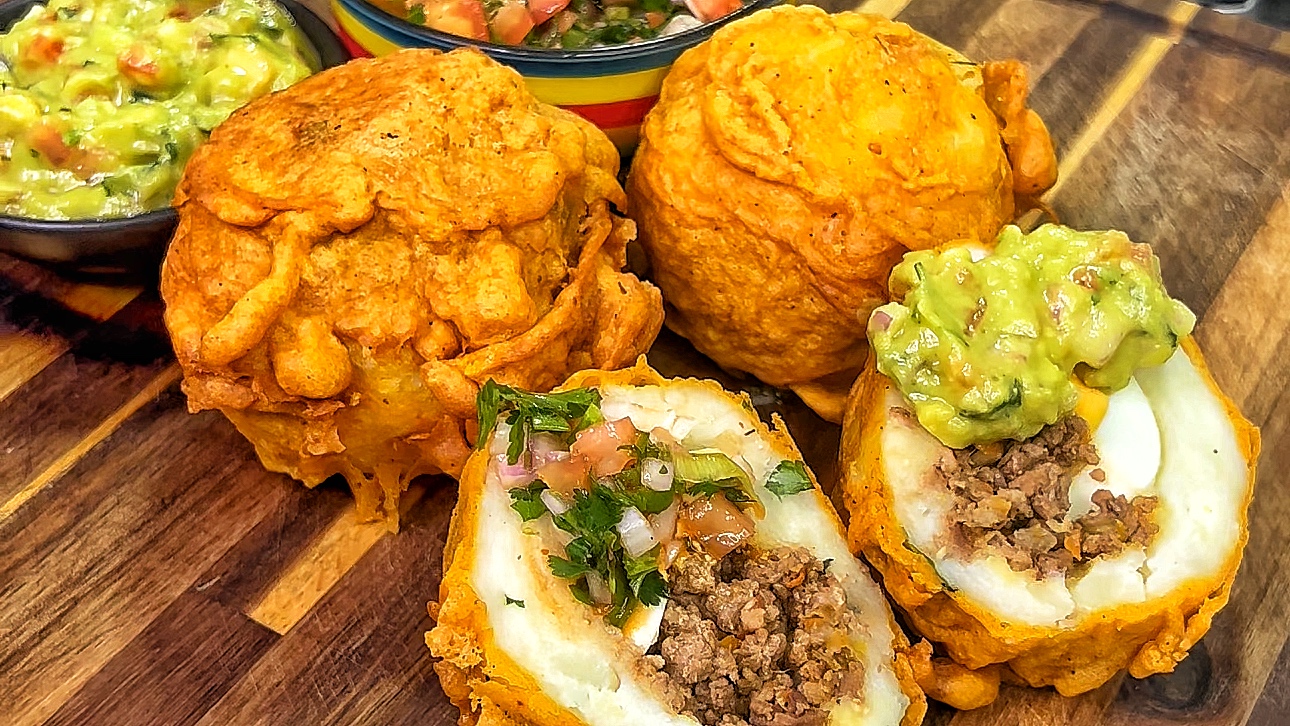
The Ecuadorian llapingacho starts with a patty made with potato, onion, egg, cheese and achiote oil, the ingredient which gives the dish its distinctive yellow tint. Alternatively, you could go down the deep-fry route with another Latin American favourite, the papas rellenas, which takes the llapanchigo formula a step further, by encasing a meat filling, usually beef. It is a textural delight, with a crisp, golden exterior encasing a fluffy interior, with the rich meat filling in the center.
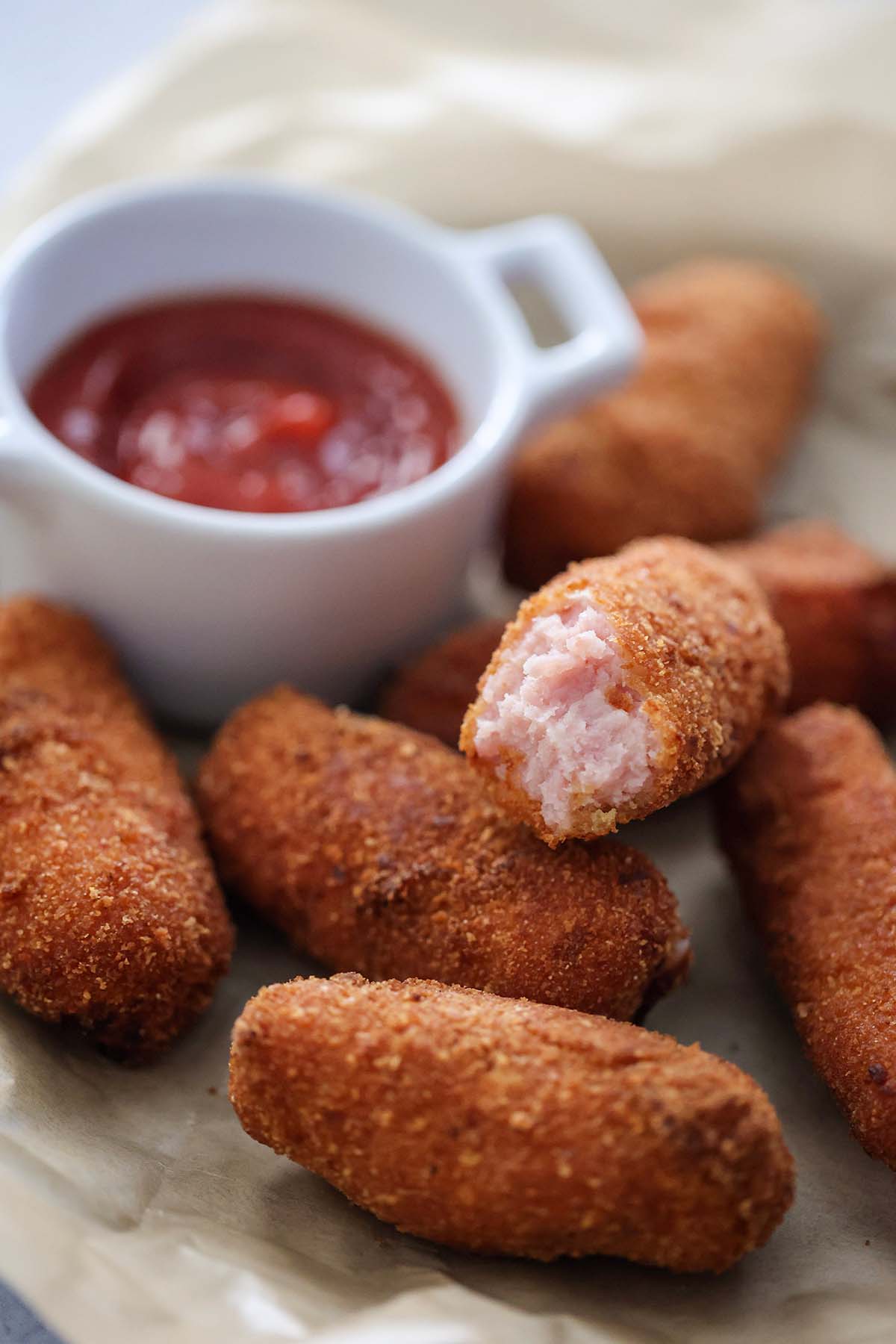
But the most popular global export in the deep-fried category is definitely the croquette. Deriving from the French croquer (to crunch, the same root for croquembouche), they are best described as battered, deep-fried nuggets of veggies and meat bound together with mashed potatoes. Of course, since the binder is delicious as is, you could simply deep-fry nuggets of mash, seasoned and flavoured with garlic and herbs to make the iconic American tater tots. The ham and cheese variety is quite popular, with the Italian crocche di patate adds its regional flare with mozzarella and parmesan or pecorino, while the Spanish version is more indulgent affair, replacing the potato with cheesy bechamel sauce to cohere chunks of Spanish ham.
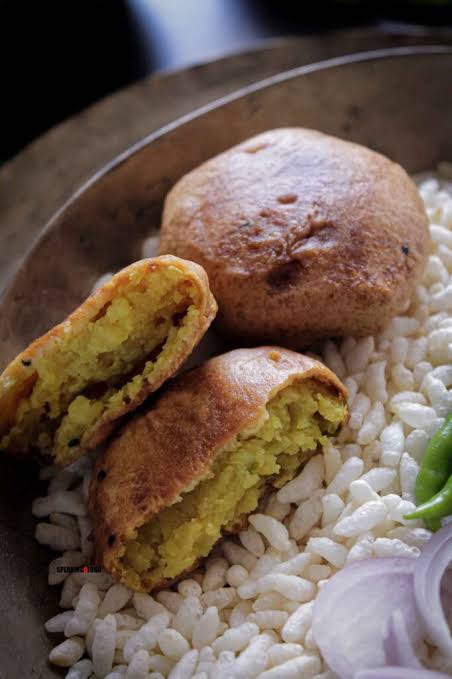
The popularity of croquettes is evident in its global popularity. While the formula remains the same, the flavours that go into the mix and the unique set of accompaniments is what sets each variant apart. Let’s examine two such examples, from India and Japan. Apart from battering which we have seen earlier, breading (flour, egg, breadcrumbs) is another popular way of making the fried street-food delighted called telebhaja in Bengal. The most popular example of a breaded telebhaja is the vegetable chop, with a potato filling dyed red with grated beetroot and textured with coconuts and toasted peanut. Non-vegetarian options include machher chop and mangsher chop, made with fish and minced meat respectively.
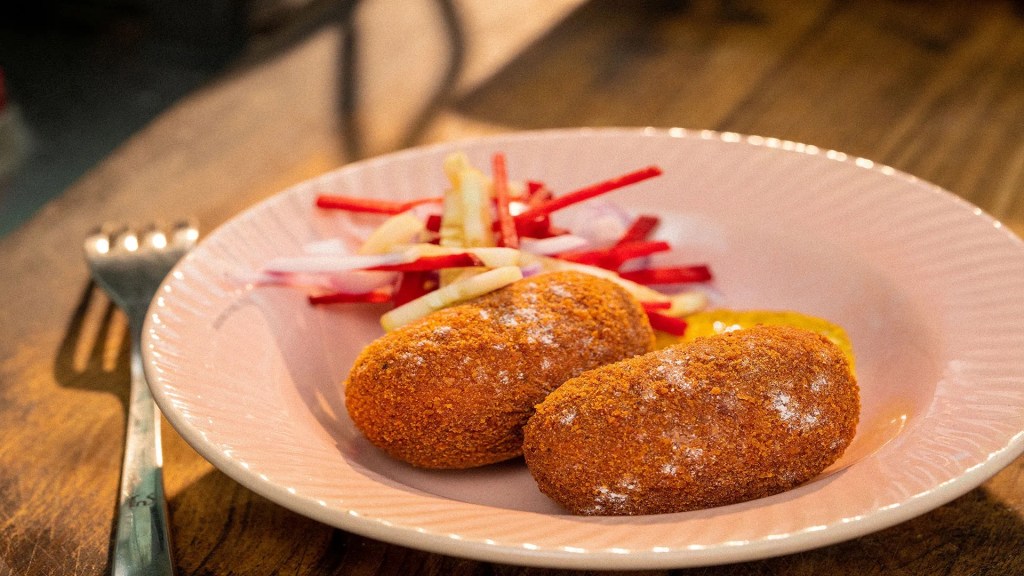
Telebhajas are essentially croquettes by definition and typically served as an evening snack with a light sprinkle of sulphurous black salt and paired with some moori (puffed rice) tossed with mustard oil, and a steaming cup of cha. In the famed Calcutta cabins, the “chops: can be served with a salad of julienned cucumber, carrots and beetroot, along with dollops of sweet tomato ketchup (referred to as simply “sauce” by us Bongs) and a tangy kasundi, the mustard and raw mango condiment tha all Bengalis swear by.
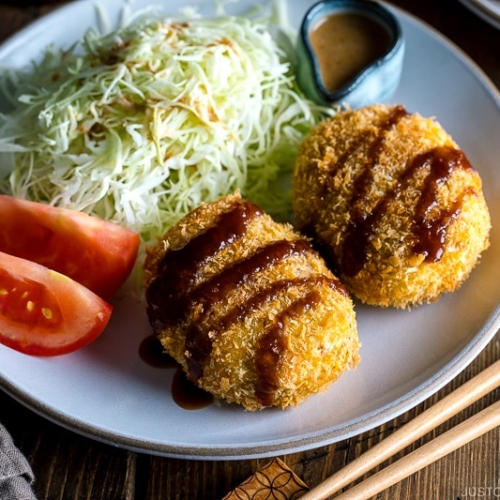
The Japanese korokke, whose etymology is evident, often uses a beef and onion filling and served with its own unique accoutrements: shredded cabbage, wedges of fresh tomato, and a drizzle of that all-important tonkatsu sauce, a complex and delightfully multicultural concoction made with an array of ingredients ranging from British Worcestershire sauce and Italian tomato passata flavoured with nutmeg and clove, sweetened with an array of fruit, from fresh apples to dried dates, and seasoned with soy sauce and vinegar.
Not all potato recipes begin by boiling potatoes, and many dishes start by simply cutting up the raw potatoes and cooking them in fat. More on that next time.

 The Gourmet Glutton
informative.
LikeLike