The Potato Chronicles: Part 6
We are halfway through the series, and so far we have only dealt with boiled and mashed potatoes in its myriad forms. This time, we take a different approach, where we cut the potato up into pieces instead of dunking them in water as a first step. We could start small, by grating the potatoes, and gradually work our way up. And the best place to explore the variety of dishes that result from this treatment is the breakfast table.
Grate some spuds, sprinkle with salt to draw out moisture, let it sit for a bit then squeeze out the water using a clean towel. What you’re left with is dried, shredded potato, ready for use in a variety of applications. The best thing to do would be to form them into patties and shallow-fry them in oil, just like an aloo tikki. But by shredding the potatoes, you get a different texture, and the beginnings of a potato pancake.

We Indians have our own version of potato pancake. Grated potato bound with chickpea flour and flavoured with spices and herbs is cooked into aloo cheela, the potato version of the famous breakfast pancake. Another similar dish is the gamja jeon, one of the multitude of Korean pancakes, made with grated potato and onion, and served with a soy-ginger-sesame dipping sauce. But to fully explore the potato pancake spectrum, we need to travel to Europe.

There is a dizzying array of European potato pancakes with rather intimidating names, from Boxty in Ireland to Deruny in Ukraine, from Zemiakové placky in Slovakia to Kartupeļu pankūkas in Latvia. Subtle variations in techniques and flavours create the diversity. Examples of some typical flavourings from the onions in a Polish Placki Ziemniaczane, the garlic, caraway and marjoram in a Czech Bramborák, to the parsley and nutmeg in a Luxembourgian Gromperekichelcher. Swedish pancakes have a typical, if not unique, accompaniment: some form of fried pork (like bacon) and a lingonberry jam, now world-famous thanks to Ikea.
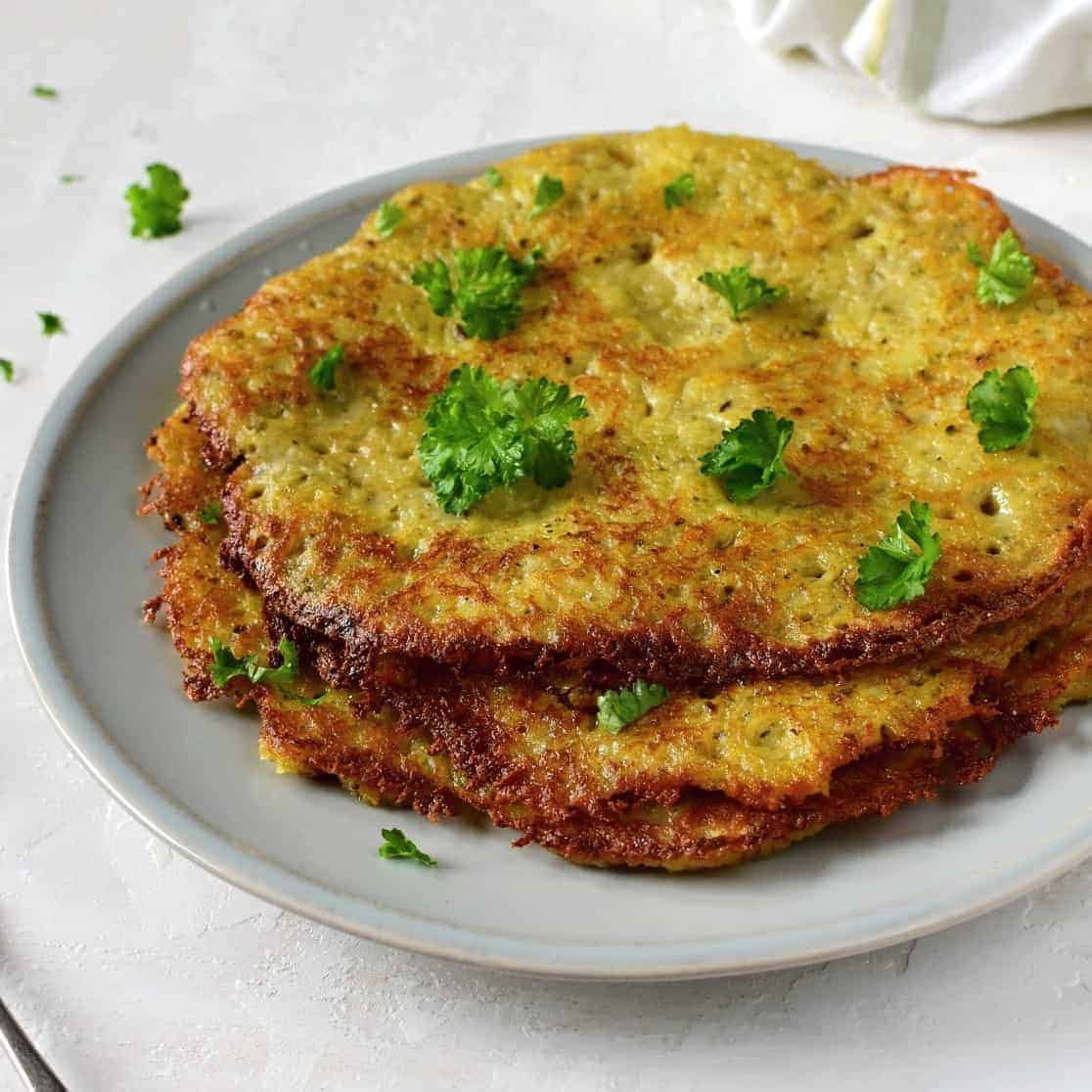
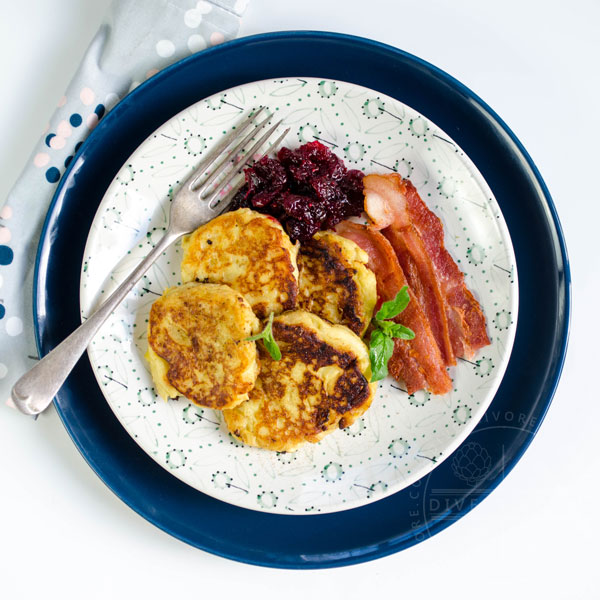
To understand varieties in cooking technique, let’s examine four Swedish dishes. Rårakor uses only seasoned grated raw potatoes, hashbrown-style. The Raggmunkar and Potatisplättar both use a pancake batter reinforced with cheese and creme fraiche, but while the former uses shredded raw potatoes, the latter uses shredded cooked potatoes. And finally, Potatisbulla, a sort of cross between a tikki and a croqeutte, with a potato and egg mix breaded and fried in butter. Digging into diversity in a foreign cuisine is difficult and daunting, and we will leave the dissection here. Instead, let’s focus on two world-famous but very different potato pancakes from Europe.
Latkes are potato pancakes eaten during the Jewish festival of Hanukkah, with a multitude of toppings. It involves the addition of grated onion, eggs, and a little bit of matzo flour. Classic toppings include sourcream, applesauce and gravlax or cured salmon, although you could take more non-traditional routes when it comes to toppings, like mayo, bonito and nori (a la Japanese okonomiyaki) or even hung curd, tamarind and pudina chutneys (a la Delhi-wali aloo chaat). Very similar to the latke is the cheesy American hashbrown which along with our old friend, the tater tot, are staples in the American diner scene, alongside favourites like pancakes, bacon, and scrambled eggs on the breakfast plate.
:max_bytes(150000):strip_icc()/__opt__aboutcom__coeus__resources__content_migration__serious_eats__seriouseats.com__recipes__images__2014__12__20141203-latke-vicky-wasik-34b-1-a95de057f33442f4b33529012096e685.jpg)
Unlike smaller patties as in a latke, the Swiss rösti is larger, cooked in a large non-stick pan. The increase in surface area results in a significant change in texture, with a more predominant contrast between the crisp exterior and the soft interior. Sarah Jampel in Bon Apetit, writes: “I look to rösti as an easier, large-format, no-fry latke. The outside is as crisp as the outermost frills of a latke, the inside is as lush as a hot baked potato”. That description might infuriate some purists, especially with the strong religious connotations of the latke, but from a culinary perspective, it does make sense.

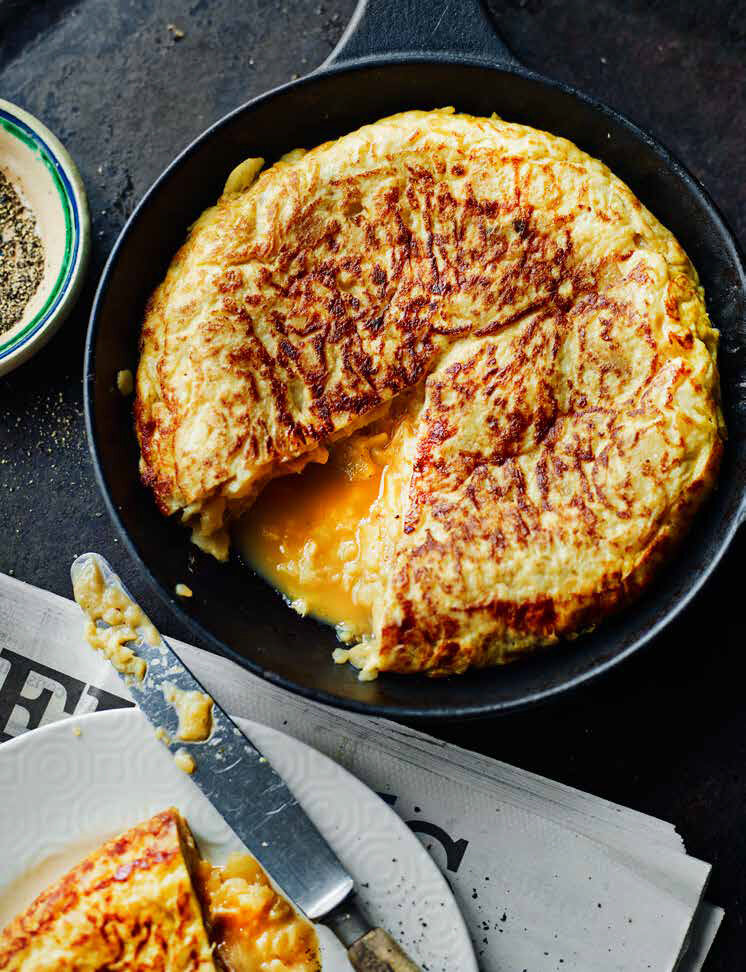
In both latke and rösti, the egg is a mere binding agent. The Spanish-style potato pancakes distort this ratio, putting both the egg and the potato on equal footing, which is why the Spanish tortilla de patatas is often called a Spanish omelette. Unlike the dishes mentioned so far, the Spanish tortilla uses thin slices of potato instead of grated. It is cooked in a very similar manner as the rösti, slowly and gently until one side is browned, and carefully flipping and cooking it until the other side is also browned and the inside is nice and soft.
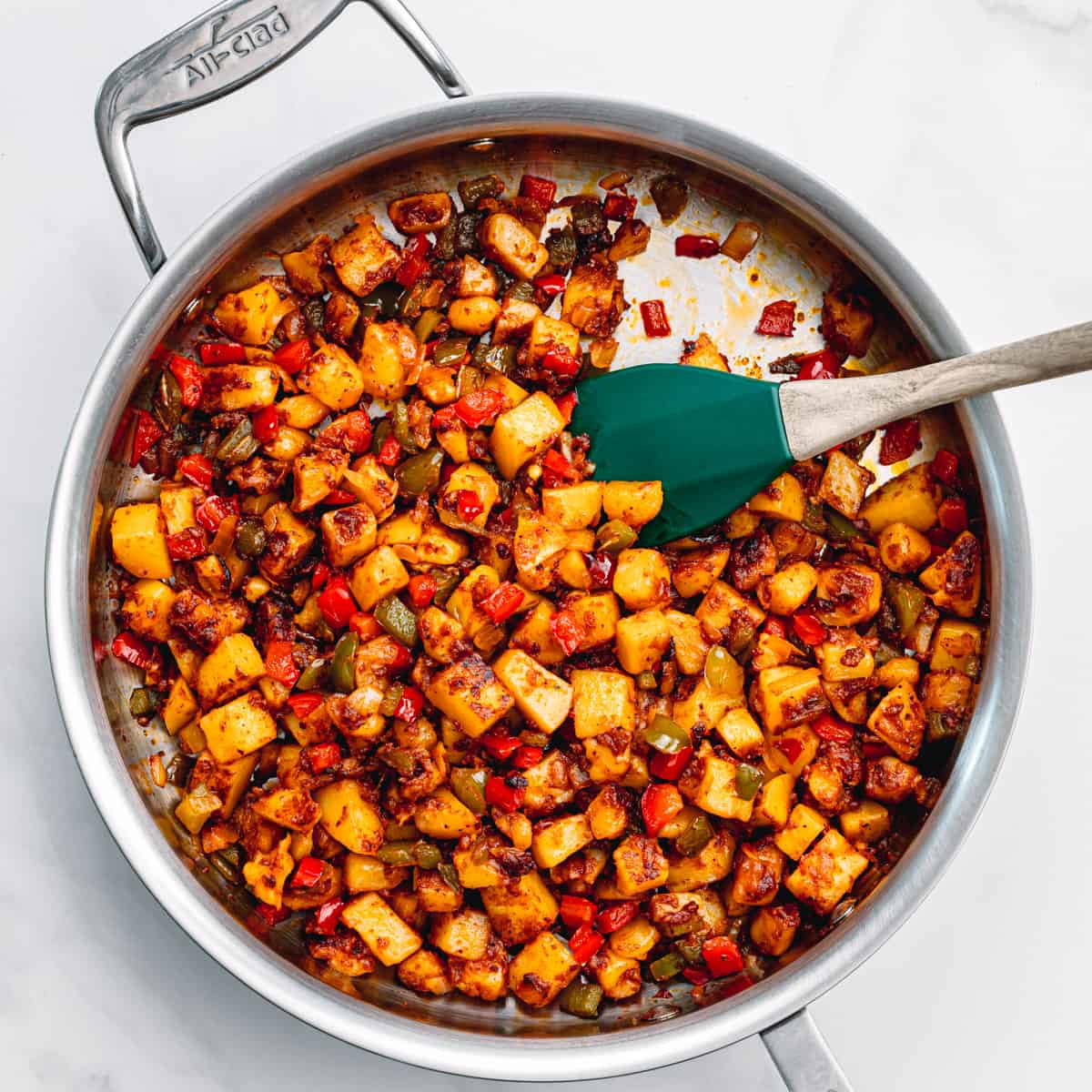
An American brunch favourite is the hash (not to be confused with hashbrown or, you know, “hash”), which comprises small cubes of potato, a couple of millimeters on each side, fried up with other veggies and even meat. The name is derived from the French “hacher” meaning “to chop”. A simple potato hash with bacon and bell peppers with an egg on top makes for a simple yet delicious brunch. Corned beef hash became very popular as a cheap, filling meal in Europe and America during and after WW2 as a filling meal.
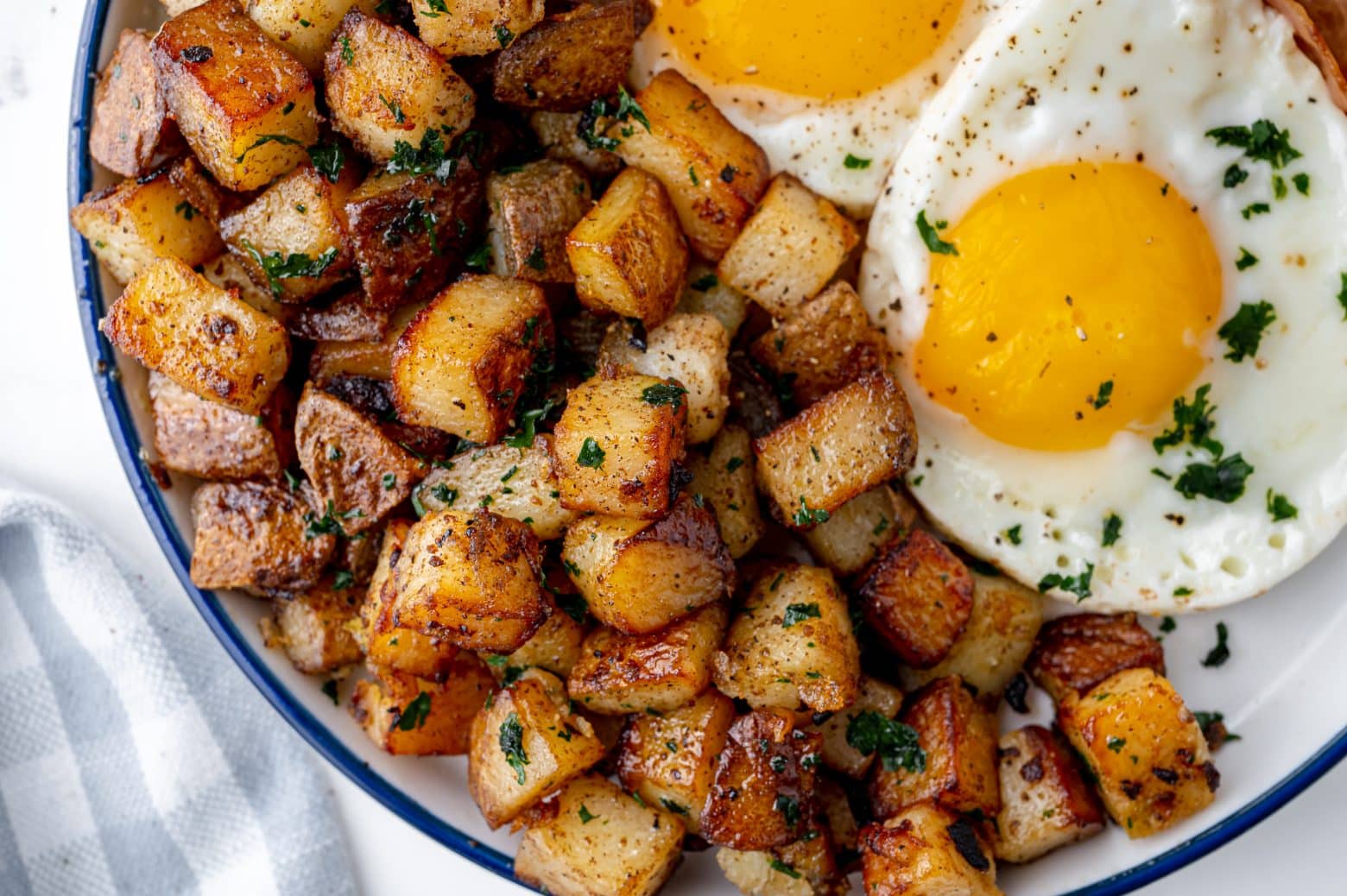
The formula of a hash is so simple that there are multiple global versions of it. Patatas a lo pobre, literally “Poor Man’s Potatoes”, is a simple dish made using slices of par-cooked potatoes cooked with onions, garlic and bell peppers. Cut the potatoes a bit chunkier, par-cook and then fry them in oil, and you get home fries, staple of the ole American diner. The par-cooking step becomes necessary since unlike the hash, the pieces of potato in home fries are larger in size. Also, the potatoes develop a craggy surface which would result in an increase in surface area of contact with oil for maximum caramelisation (non-nerd translation: crisps up beautifully when fried thanks to all the nooks and crannies), resulting in a product with a nice, crunchy exterior.

Both hash and home fries, cooked with some onion, peppers and bacon, forms the perfect base for an egg (runny yolk, please): a simple yet satisfying brunch. If you ditch the other frills and stick to just potato, you’ll end up with crispy home fries that are commonly seen in American diners as an accompaniment for steaks and burgers. Ditch the steak and add some aioli, and you get transported from a diner in California to a tapas bar in Barcelona. Out with Elvis and rock n roll, and cue the castanets. Next time, we will travel to Spain!


potatoes have never come with this level of deliciousness to me !!
LikeLike