The Potato Chronicles: Part 3
So far, we have traced potato’s history upto the early 20th century, and explored some of the variations of the humble (and sometimes not-so-humble) mash all over Europe. This time, let’s set sail and go global, exploring some varieties of mash and mash-based dishes from around the world.
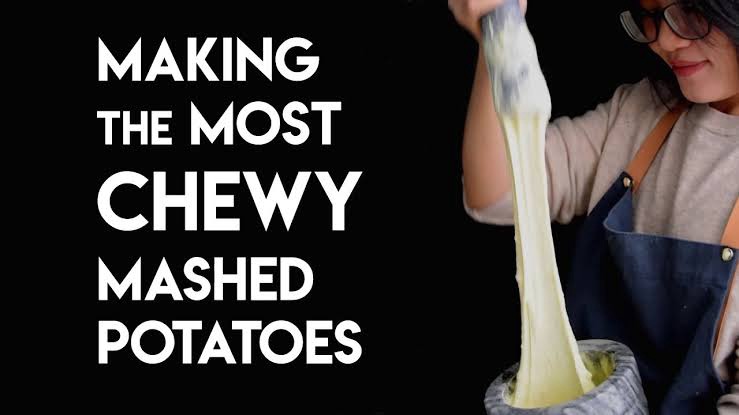
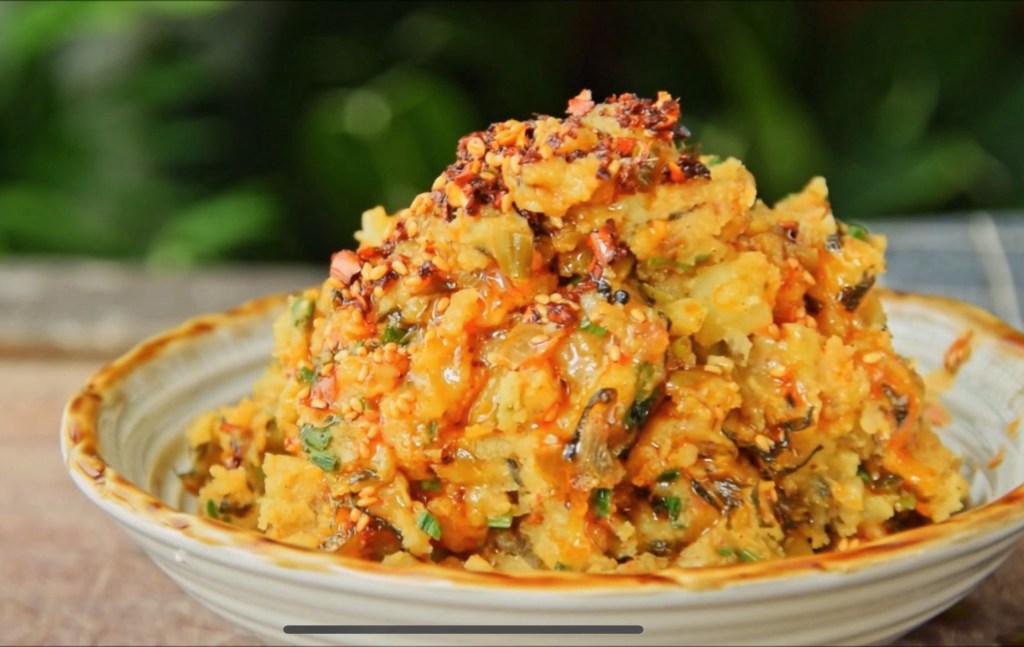
The Bengali aloo bhorta is a delicious mash flavoured with a multitude of ingredients like fried crushed red chilli, onions, garlic, chilli, and coriander. The Kenyan Irio is a vibrant green mash of potatoes with peas and corn. The so-called “Grandma’s mashed potatoes” (laonai yangyu) from China’s Yunnan province gets a full-on Oriental treatment with coriander, garlic, chilli and Sichuan peppercorn. There is another mash from Yunnan, the so-called “pounded potato”, which is rather different….stretchy and chewy, the love-child of mash and mochi.
From light and fluffy as a cloud to stretchy and chewy as bubblegum…..what dictates the texture of a mash? The answer, my friend, is starch. Starch is a polymer of glucose, and comprises two very different types of glucose chains. Amylose comprises straight chains of glucose and makes up upto 30 percent of starch. The rest is amylopectin, which contains multiple branches. The so-called “starchy” or “floury” potatoes contain about 20-30 percent of amylose: the more the amylose, the starchier the spud. Since amylose is unbranched, they tend to mesh with each other less, creating a fluffy texture.
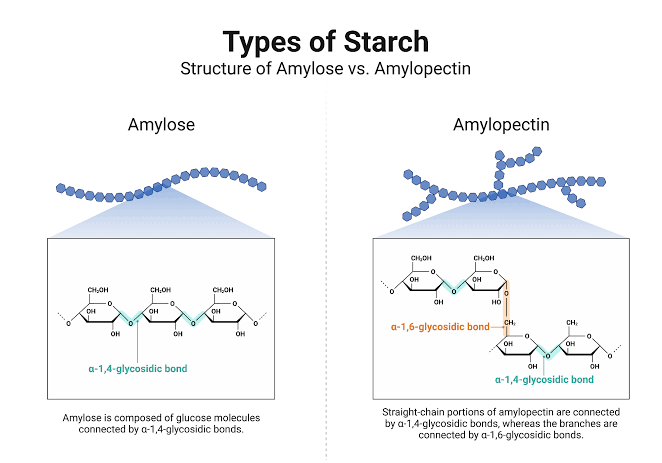
On the other hand, the starch content in “waxy” potatoes is slightly lower, around 16-18 percent, and is composed almost entirely of amylopectin, whose bushy molecular nature ensures that it forms an intermeshed, coalescent mass when agitated. And this is why the waxy Ratte creates a creamy, dense mash, something you would never achieve with a fluffy mash made with a starchy spud. It also explains why all potatoes and especially waxy ones, get all gummy when you blitz it in a mixer: too much starch gets released and you end up with gloopy mash.
Common examples of starchy potatoes are the Russet in the US, Maris Piper in the UK, and the Chandramukhi variety back home. Waxy varieties include the new potatoes and varieties like fingerling in the West and Jyoti in India. Chandramukhi and Jyoti in fact are the two most cultivated potato types in Bengal, in addition to the waxy new potatoes or notun aloo of winter. All-purpose spuds like Yukon Gold have an intermediate starch content. Starchy spuds work very well fried and baked, mostly owing to their lower water content that helps them dry and crisp up better. The more “watery” waxy potatoes on the other hand retain a dense, moist texture when cooked, ideal for salads and gratins.
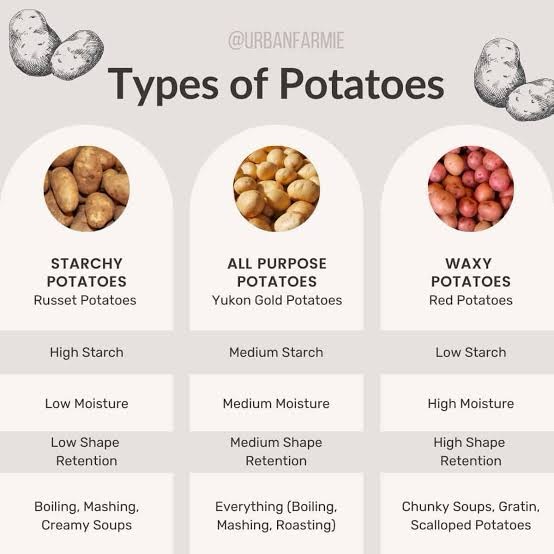
And what if you break this rule? Use a starchy spud for salads and it disintegrates too easily giving us a messy end-product, the granular “mealiness” attributed to a tough lamella preventing the individual cells somewhat intact, while a waxy spud overworked into a mash usually produces a creamier, more cohesive texture rather than a fluffier one. Which brings us back to the Yunnan mash, that uses boiled waxy potatoes pounded with a mortar and pestle, to create a unique, chewy texture.
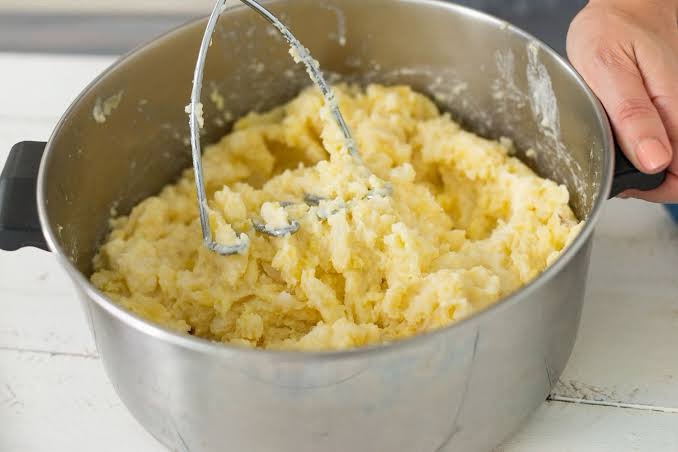
Of course, another factor dictating the texture of your mash is the degree to which you pulverize it. While the ideal Western mash is silky smooth, the other Yunnan mash, laden with chilli and sesame seeds, is significantly chunkier. Similarly, most Indian dishes that incorporate boiled, mashed potatoes replace the potato ricer with a fork, resulting in a chunkier, more rustic texture. Combined with a batter or dough, the mash forms the heart of a multitude of breakfast staples. Let’s look at three of these, spanning the length and breadth of the nation.
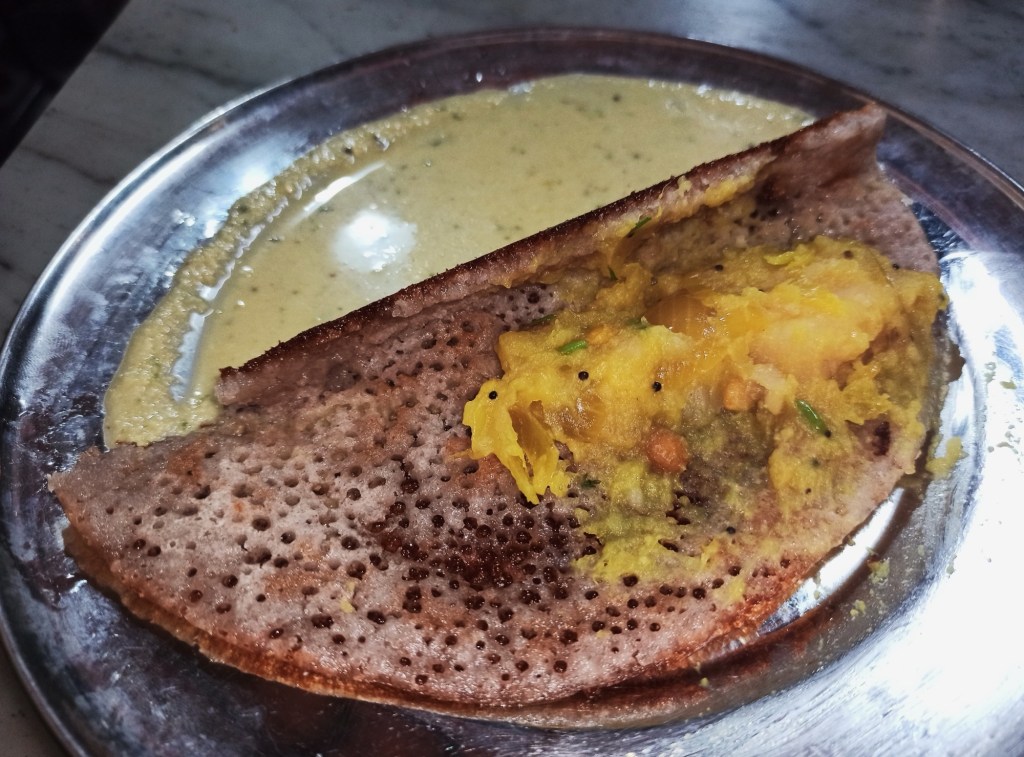
The masala dosa from South India, uses a chunky mash, flavoured with mustard seeds and curry leaves, and accented with the textural bite of coconut and toasted lentils. The dosa filling is properly referred to as a palya, a blanket term for dryish vegetarian dishes from the Indian south. The palya bun, a soft-bun filled with the same potato filling, is a staple of the Iyengar bakeries of Bangalore. The glorious masala dosa, fried in butter with a crisp exterior and slightly fluffy, fermented interior, encasing the palya and paired sambar and coconut chutney is a popular breakfast staple for good reason.
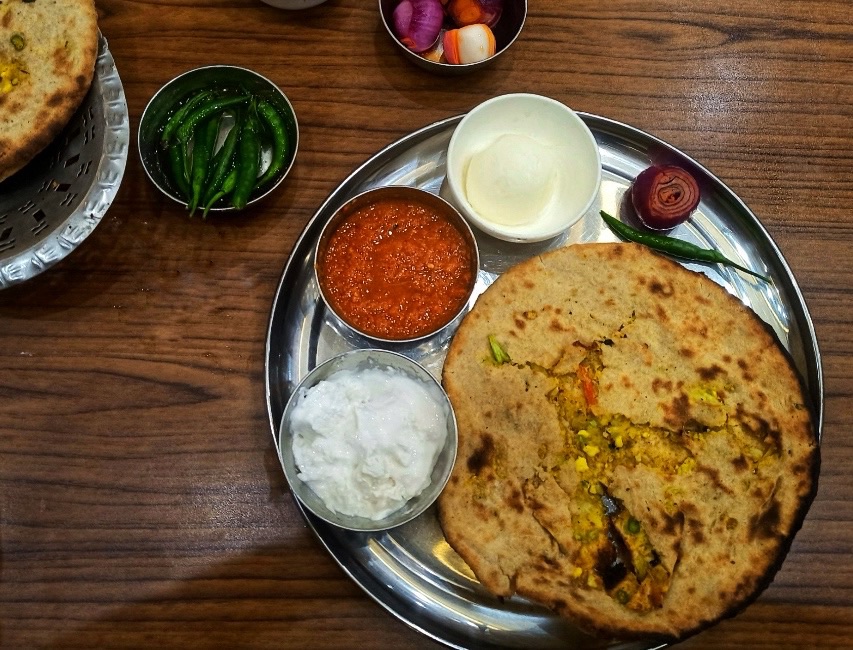
Moving on now from South Indian tiffin rooms to North Indian dhabas. The aloo parantha comprises a spiced potato filling stuffed into a wheat dough, shallow-fried in oil. The spicing here is different from the dosa palya, with the earthy complexity of garam masala and the tang of chaat masala, accented with ajwain (carom seeds) and kasuri methi (dried fenugreek leaves). Aloo parantha is the perfect way to kick off a cold winter’s day in the North, perfect with a generous knob of butter and a tangy, a spicy achaar (pickle) to cut through the fat, and a large glass of chaas (buttermilk) to wash it all down.
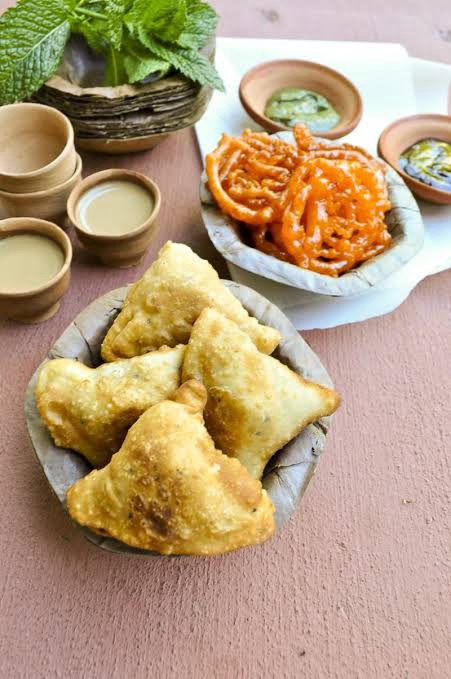
Stuff a larger amount of a chunkier filling into a crumbly, shortcrust dough, form it into triangles and deep fry, and you’ve got a Bengali shingara. Is it different from a regular samosa, you ask? Well, very. And the secret lies in a good Bengali ghee, which has a toasted, brown-butteresque flavour. Rubbing the flour with ghee in a ratio as high as 4:1 before adding in the water results in a dough that is scented with ghee and wonderfully brittle, since the fat coats the flour grains and arrests gluten development, as in a crumbly shortcrust pastry.
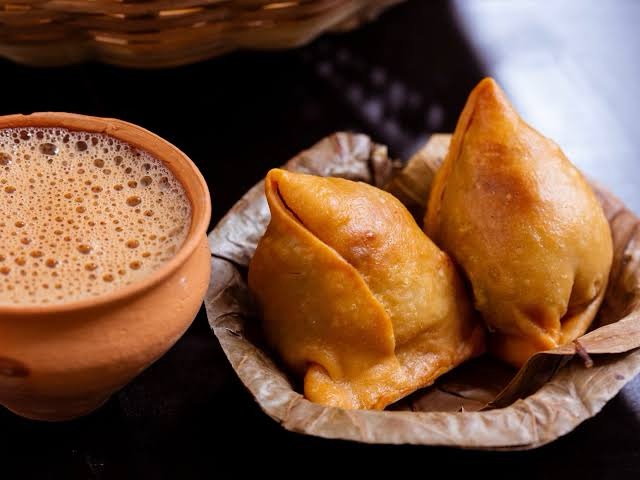
This crisp, ghee-scented casing contrasts wonderfully with the potato filling, which in Bengal is always flavoured with panchforon, the signature regional mix of five whole spices. Winter shingaras include the delightful addition of florets of cauliflower which, along with the crunch of the peanut adds another dimension of texture, not to mention another subtle note of flavour. Piping hot shingaras, paired with freshly fried jilipis, whose brittle crunch and syrupy bite outdoes any Western funnel cake, is a breakfast favourite in the pleasantly nippy Kolkata winter.
The chunky mashed potatoes attain full fruition on the streets of India, creating a veritable smorgasbord of unforgettable classics. More on that next time.